
5 Fruits to Avoid for Weight Loss
Published On: July 07, 2025, by Dr. Josh Axe
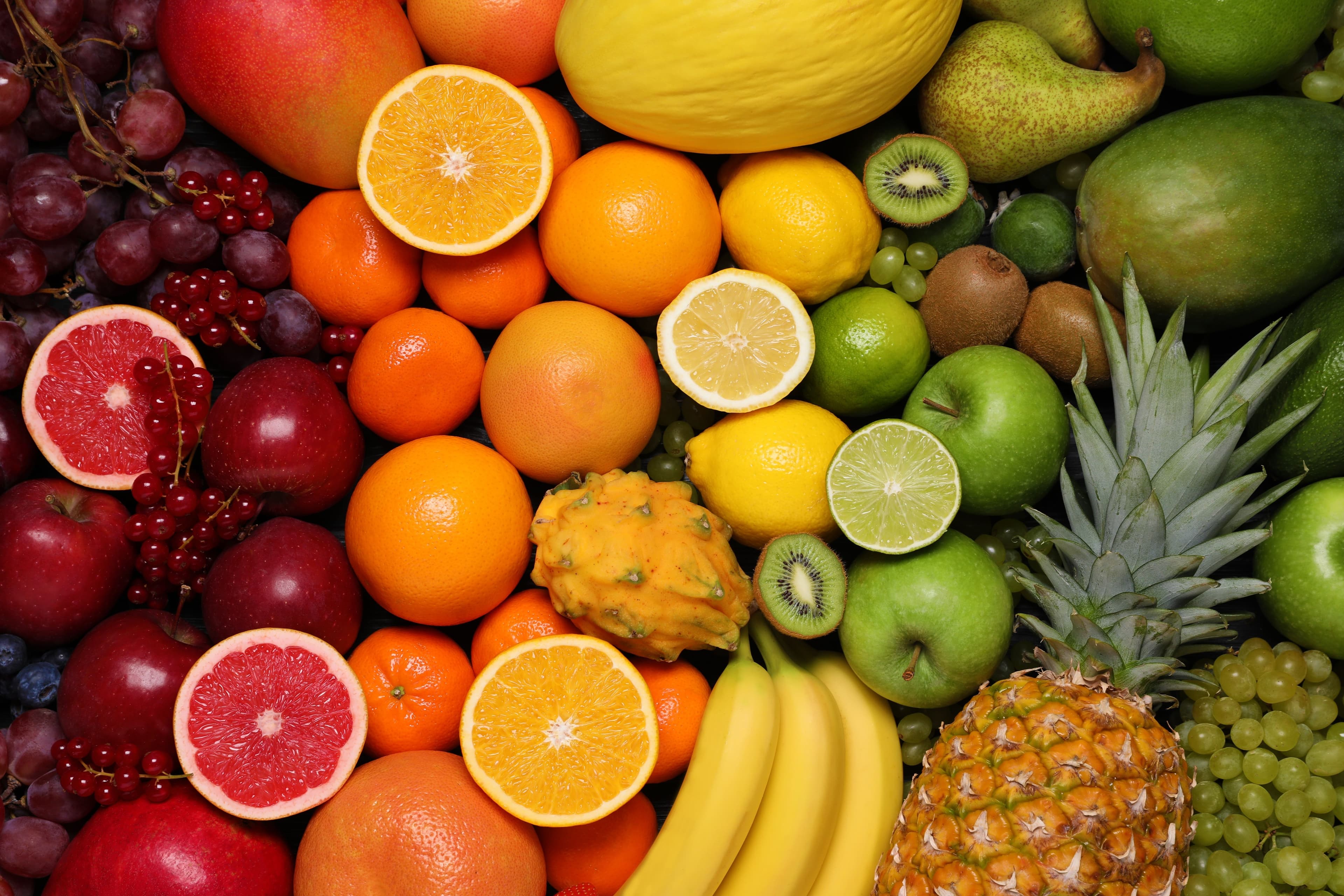
You've been told that all fruits are healthy for weight loss, yet you're still struggling to shed those stubborn pounds despite eating "clean." If you're confused by conflicting advice about whether fruits help or hinder your weight loss goals, you're not alone—and you're not imagining things.
The truth is, certain fruits can sabotage your weight loss efforts in ways you’ve never heard of.
While nutrition experts debate whether any fruits should be "off-limits," clinical observations show that specific fruits consistently hinder progress for people with insulin resistance, gut health issues, or hormonal imbalances—conditions affecting millions of Americans.
The same fruit that supports one person's weight loss can trigger blood sugar spikes, feed harmful gut bacteria, and disrupt hormone balance in another. At The Health Institute, we've observed that clients who identify their problematic fruits and understand the underlying reasons see significantly better results than those following generic "eat more fruit" advice.
We'll reveal the 5 fruits to avoid for weight loss, explain the gut-hormone connections that determine your individual fruit tolerance, and provide a science-based framework for making informed choices that actually support your metabolism.
Why Certain Fruits Sabotage Weight Loss
Modern fruit cultivation has dramatically altered sugar content compared to wild varieties our ancestors consumed. Current apple varieties show significant variation in sugar content, with some containing nearly double the sugar of others, while maintaining similar fiber content. This shift means many "healthy" fruits now trigger metabolic responses similar to processed foods.
Your individual tolerance to these fruits depends largely on your current metabolic health, gut microbiome composition, and stress levels. Someone with optimal insulin sensitivity might handle moderate amounts of higher-sugar fruits, while those with insulin resistance or gut dysbiosis may need to avoid them entirely during active weight loss phases.
The key factors that make certain fruits problematic include high glycemic index values, concentrated natural sugars, low fiber-to-sugar ratios, and the potential to feed harmful gut bacteria. These elements work together to create blood sugar spikes, insulin resistance, and cravings that can sabotage even the most disciplined dietary efforts.
5 Fruits That Can Derail Your Weight Loss Goals
1. Grapes
Grapes contain approximately 15 grams of sugar per cup with minimal fiber content, creating a glycemic index of up to 59 that triggers rapid blood sugar spikes. Some people can easily eat 2-3 cups of grapes in one sitting, consuming 32-48 grams of sugar, which is also equivalent to drinking a can of soda, while others struggle to process the sugar.
Unlike whole foods that provide natural satiety signals, grapes' small size and sweet taste bypass normal portion control mechanisms. In short, because of grapes’ high sugar and relatively low fiber, they could be an easy candidate to moderate or eliminate if you’re holding onto extra weight.
2. Bananas
A medium banana contains 27 grams of carbohydrates with 14 grams of sugar, creating a glycemic index of 48 that varies depending on ripeness. While bananas provide potassium and some fiber, their high carbohydrate content can trigger insulin spikes that promote fat storage rather than fat burning.
Ripe bananas pose particular challenges due to their higher sugar content and faster digestion. The brown spots that indicate ripeness actually signal increased sugar concentration, making overripe bananas essentially concentrated sugar bombs that can destabilize metabolic function for hours.
3. Mangoes
Mangoes deliver 22 grams of sugar per cup with a glycemic index of 51, placing them in the moderate-to-high range for blood sugar impact. From a gut health perspective, mangoes can feed pathogenic bacteria and yeast overgrowths, particularly Candida species that thrive on fruit sugars.
People with digestive issues often see improvement when eliminating mangoes along with other high-sugar fruits during gut healing protocols. Mangos can create
particular challenges for individuals with compromised liver function due to the significant metabolic resources required for processing.
4. Dried Fruits
The dehydration process removes water while concentrating sugars, creating calorie-dense foods that pack 3-5 times more sugar than fresh equivalents. A quarter cup of raisins contains the same amount of sugar as a full cup of grapes, but without the volume to trigger satiety signals.
Many commercial dried fruits contain added sugars, sulfites, and preservatives that can disrupt gut bacteria balance and increase inflammation. The concentration effect eliminates beneficial compounds like vitamin C while retaining and concentrating natural fruit sugars, creating a food that provides sugar and calories without proportional nutritional benefits.
5. Fruit Juices
Fruit juices represent the most problematic fruit form for weight loss because they eliminate fiber while concentrating sugars in liquid form. Even 100% pure fruit juice can contain up to 20 grams of sugar per cup—more than some sodas—while providing none of the satiety benefits of whole fruit.
The removal of fiber fundamentally changes how your body processes sugars. Without this natural buffer, fruit juice creates rapid blood sugar spikes followed by crashes that trigger hunger and cravings within 1-2 hours. The liquid form bypasses normal appetite regulation mechanisms, making it easy to consume a large amount of fruit in minutes without feeling satisfied.
The Gut-Hormone Connection Most Doctors Miss
Your gut bacteria play a crucial role in determining how your body processes fruit sugars and whether they support or sabotage your weight loss goals. Your intestinal microbiome contains specialized bacteria called the estrobolome—a collection of microbes that directly influence hormone metabolism.
When you consume high-sugar fruits, certain bacteria produce an enzyme called beta-glucuronidase that can reactivate estrogen that your liver has already processed for elimination. This creates a cycle where fruit consumption inadvertently contributes to estrogen dominance, promoting fat storage, particularly around the hips and midsection.
Pathogenic bacteria like Candida and certain Clostridia species thrive on fruit sugars, producing inflammatory compounds that interfere with insulin sensitivity and appetite regulation. The solution isn't permanent fruit avoidance, but rather strategic elimination during gut-healing phases, followed by gradual reintroduction based on individual tolerance.
Personalizing Your Fruit Strategy
Not everyone needs to avoid the same fruits. Understanding your metabolic type helps determine which fruits might be problematic for your specific situation.
Fast vs. Slow Metabolizers
Your caffeine sensitivity provides valuable insight into your metabolic processing speed. If a cup of coffee after 2 PM keeps you awake past 10 PM, you're likely a slow metabolizer who processes fruit sugars more gradually. Slow metabolizers are 2.8 times more likely to develop hypertension. They often struggle more with high-glycemic fruits because their systems take longer to clear glucose from the bloodstream.
Morning energy patterns also reveal metabolic tendencies. If you wake up energetic and alert, your glucose regulation is likely functioning well, suggesting better fruit tolerance. Those who struggle with morning fatigue often have disrupted metabolic function that makes them more sensitive to blood sugar fluctuations.
When Fruit Restriction Becomes Essential
Certain health conditions require more careful attention to fruit selection. Women with Polycystic Ovary Syndrome (PCOS) often experience reduced symptoms when temporarily eliminating high-glycemic fruits, as insulin resistance is a key driver of this condition.
Individuals with active gut infections, SIBO, or Candida overgrowth typically need to avoid most fruits during treatment phases. These conditions involve bacteria and yeast that literally feed on fruit sugars, making elimination essential for successful treatment outcomes.
Perimenopause and menopause create hormonal changes that affect fruit tolerance. Declining estrogen production makes women more susceptible to insulin resistance, while increased cortisol levels can amplify blood sugar responses to fruit consumption.
Better Fruit Choices for Weight Loss
Berries represent the gold standard for weight-loss-friendly fruits. Blueberries, blackberries, and raspberries deliver high levels of antioxidants and fiber while containing only 5-15 grams of sugar per cup. Their glycemic index values (25-53) create minimal blood sugar impact.
Green apples offer another excellent option, particularly when eaten with the skin for maximum fiber benefit. Their tartness indicates lower sugar content, and the pectin fiber helps stabilize blood sugar levels while supporting beneficial gut bacteria growth.
Strategic timing enhances fruit benefits significantly. Consuming approved fruits during your most metabolically active periods—typically mid-morning or early afternoon—allows your body to efficiently process natural sugars for energy rather than storing them as fat.
Strategic Fruit Reintroduction
Backed by thorough research, here’s a systematic approach that maximizes weight loss success while identifying individual tolerance levels.
Phase 1: Complete Elimination (Weeks 1-3)
Eliminate all fruits except for small amounts of berries (up to ½ cup daily) and green vegetables that are technically fruits. This period allows blood sugar regulation to stabilize, gut bacteria to rebalance, and insulin sensitivity to improve.
Supplement this phase with targeted gut support, including high-quality probiotics and adequate protein intake (0.8-1g per pound of body weight).
Phase 2: Strategic Testing (Weeks 4-8)
Begin reintroducing single fruits in small portions (¼ cup servings) every three days to assess individual tolerance. Start with the lowest glycemic options: berries, green apples, and small amounts of citrus fruits.
Monitor energy levels, cravings, sleep quality, and weight changes for 72 hours after each reintroduction. Those who experience energy crashes, increased cravings, or weight loss stalls should extend the elimination period for that specific fruit by 2-4 weeks before retesting.
Phase 3: Optimization and Maintenance (Ongoing)
Based on testing results, develop a personalized fruit protocol that supports your long-term metabolic health. It’s common to settle into a pattern of 1-2 low-glycemic fruit servings daily, timed strategically around physical activity.
This approach emphasizes metabolic flexibility over rigid restriction. People learn to recognize their body's signals and adjust fruit intake based on stress levels, activity levels, and current health status.
Advanced Success Monitoring
Weight loss represents just one marker of metabolic improvement. Track these additional indicators for earlier feedback and protocol optimization:
- Energy Patterns: Stable, consistent energy throughout the day indicates optimal blood sugar regulation. Energy crashes 2-3 hours after fruit consumption signals that the particular fruit exceeds your current metabolic capacity.
- Sleep Quality: Blood sugar instability often manifests as sleep disruption. Improved sleep quality—falling asleep easily, sleeping through the night, waking refreshed—indicates successful metabolic optimization.
- Craving Intensity: Successful fruit protocols dramatically reduce cravings for sweets and processed foods. Persistent strong cravings indicate either incomplete elimination of problematic fruits or underlying gut health issues requiring additional support.
The Bottom Line on Fruits and Weight Loss
Your struggle with weight loss despite eating "healthy" fruits isn't a personal failing—it's a reflection of the complex metabolic factors that determine individual fruit tolerance. The five fruits to avoid for weight loss—grapes, bananas, mangoes, dried fruits, and fruit juices—represent common metabolic triggers that can sabotage even the most dedicated efforts.
This systematic protocol provides a science-based framework for eliminating problematic fruits, optimizing your metabolic function, and strategically reintroducing options that support rather than hinder your progress. This approach addresses root causes rather than just symptoms, creating sustainable results that extend far beyond temporary weight loss.
Start with Phase 1 elimination protocol while supporting your gut health and monitoring the success indicators we've outlined. Many people experience more energy and reduced cravings within the first week, with significant weight loss following as metabolic function optimizes.
Your body has a remarkable capacity for healing and optimization when given the right support. By addressing the hidden factors that influence fruit tolerance, you're not just losing weight—you're reclaiming your metabolic health and creating the foundation for lasting wellness.
References
- Baker, E. J., Miles, E. A., Burdge, G. C., Yaqoob, P., & Calder, P. C. (2016). Metabolism and functional effects of plant-derived omega-3 fatty acids in humans. Progress in Lipid Research, 64, 30-56. https://doi.org/10.1016/j.plipres.2016.07.002
- Cornelis, M. C., El-Sohemy, A., Kabagambe, E. K., & Campos, H. (2006). Coffee, CYP1A2 genotype, and risk of myocardial infarction. JAMA, 295(10), 1135-1141. https://doi.org/10.1001/jama.295.10.1135
- Ervin, S. M., Li, H., Lim, L., Roberts, L. R., Liang, X., Mani, S., & Redinbo, M. R. (2019). Gut microbial β-glucuronidases reactivate estrogens as components of the estrobolome that reactivate estrogens. Journal of Biological Chemistry, 294(49), 18586-18599. https://doi.org/10.1074/jbc.RA119.010950
- FoodData Central. (2024). U.S. Department of Agriculture, Agricultural Research Service. https://fdc.nal.usda.gov
- Glycemic Index Foundation. (2024). International glycemic index database. University of Sydney. https://glycemicindex.com
- Hu, K., Huang, S., Jiang, Y., Wang, S., Lan, X., Chen, R., & Ma, N. (2023). Gut microbial beta-glucuronidase: A vital regulator in female estrogen metabolism. Gut Microbes, 15(1), 2236749. https://doi.org/10.1080/19490976.2023.2236749
- Irwin, S. V., Fisher, P., Graham, E., Malek, A., & Robidoux, A. (2017). Sulfites inhibit the growth of four species of beneficial gut bacteria at concentrations regarded as safe for food. PLOS ONE, 12(1), e0169357. https://doi.org/10.1371/journal.pone.0169357
- Kiewiet, M. B., Faas, M. M., & de Vos, P. (2013). Immunomodulatory protein hydrolysates and their application. Nutrients, 5(4), 1289-1309. https://doi.org/10.3390/nu5041289
- Marsh, K. A., Steinbeck, K. S., Atkinson, F. S., Petocz, P., & Brand-Miller, J. C. (2010). Effect of a low glycemic index compared with a conventional healthy diet on polycystic ovary syndrome. American Journal of Clinical Nutrition, 92(1), 83-92. https://doi.org/10.3945/ajcn.2010.29361
- Nikolic, S., Hudcovic, T., Schierová, D., Grolichová, M., Černý, J., Kozáková, H., & Schwarzer, M. (2022). The interplay between sugar and yeast infections: Do diabetics have a greater predisposition to develop oral and vulvovaginal candidiasis? Cureus, 14(11), e31781. https://doi.org/10.7759/cureus.31781
- Reynolds, A., Mann, J., Cummings, J., Winter, N., Mete, E., & Te Morenga, L. (2019). Carbohydrate quality and human health: A series of systematic reviews and meta-analyses. The Lancet, 393(10170), 434-445. https://doi.org/10.1016/S0140-6736(18)31809-9
- Rippe, J. M., & Angelopoulos, T. J. (2013). Sucrose, high-fructose corn syrup, and fructose, their metabolism and potential health effects: What do we really know? Advances in Nutrition, 4(2), 236-245. https://doi.org/10.3945/an.112.002824
- Sanchez-Tapia, M., Miller, A. W., Granados-Portillo, O., Tovar, A. R., & Torres, N. (2020). The development of metabolic endotoxemia is dependent on the type of sweetener and the presence of saturated fat in the diet. Nutrients, 12(7), 1838. https://doi.org/10.3390/nu12071838
- Schaefer, E. J., Gleason, J. A., & Dansinger, M. L. (2009). Dietary fructose and glucose differentially affect lipid and glucose homeostasis. Journal of Nutrition, 139(6), 1257S-1262S. https://doi.org/10.3945/jn.108.098186
- Stanhope, K. L. (2016). Sugar consumption, metabolic disease and obesity: The state of the controversy. Critical Reviews in Clinical Laboratory Sciences, 53(1), 52-67. https://doi.org/10.3109/10408363.2015.1084990
- Viguiliouk, E., Glenn, A. J., Nishi, S. K., Chiavaroli, L., Seider, M., Khan, T., ... & Sievenpiper, J. L. (2019). Associations between dietary pulses alone or with other legumes and cardiometabolic disease outcomes: An umbrella review and updated systematic review and meta-analysis of prospective cohort studies. Advances in Nutrition, 10(4), S308-S319. https://doi.org/10.1093/advances/nmz113
- Zhou, Y., Ley, R. E., & Shen, X. (2020). Longitudinal multi-omics of host-microbe dynamics in prediabetes. Nature, 569(7758), 663-671. https://doi.org/10.1038/s41586-019-1236-x
- PubMed Central (PMC). (2020). Association between Timing of Energy Intake and Insulin Sensitivity: A Cross-Sectional Study. https://pmc.ncbi.nlm.nih.gov/articles/PMC7071301/
- ScienceDirect. (2015). Comparative assessment of sugar and malic acid composition in cultivated and wild apples. https://www.sciencedirect.com/science/article/abs/pii/S0308814614013995
- Glycemic-Index.net. (n.d.). Glycemic index of grapes. https://glycemic-index.net/glycemic-index-of-grapes/
- Healthline. (2023). How Many Calories and Carbs Are in a Banana?. https://www.healthline.com/nutrition/bananas-calories-carbs
- Glycemic-Index.net. (n.d.). Glycemic index of banana. https://glycemic-index.net/banana/
- FoodStruct. (n.d.). Mango nutrition: calories, carbs, GI, protein, fiber, fats. https://foodstruct.com/food/mango
- FoodData Central (USDA). (n.d.). Mango, raw – food details and nutrients. https://fdc.nal.usda.gov/food-details/169098/nutrients
- North American Menopause Society (NAMS). (2023). New Meta-Analysis Shows That Hormone Therapy Can Significantly Reduce Insulin Resistance. https://menopause.org/press-releases/new-meta-analysis-shows-that-hormone-therapy-can-significantly-reduce-insulin-resistance
- National Center for Biotechnology Information (NCBI). (2020). Physiology, Cortisol. https://www.ncbi.nlm.nih.gov/books/NBK538239/
- PubMed Central (PMC). (2024). The Role of Diet, Glycaemic Index and Glucose Control in Polycystic Ovary Syndrome (PCOS) Management and Mechanisms of Progression. https://pmc.ncbi.nlm.nih.gov/articles/PMC11698792/
READ NEXT

Normal Insulin Levels: Understanding Your Metabolic Health
Your recent blood work shows "normal insulin levels," but you're still struggling with afternoon energy crashes, stubborn weight gain around your midsection, and constant sugar cravings. If this sounds familiar, you're not imagining the disconnect—and you're definitely not alone in feeling confused about what these numbers actually mean for your health.
Dr. Josh Axe | August 08, 2025
The Science-Based Truth About a Liver Cleanse
If you're experiencing unexplained fatigue, persistent bloating, or that general "blah" feeling despite eating well—and you're wondering if a liver cleanse could be the reset your body needs? The Global Detox Products Market certainly wants you to think so, with promises of renewed energy and rapid toxin elimination.
Dr. Josh Axe | July 18, 2025

Perimenopause Weight Gain: The Root Cause Approach
You've been eating the same foods and exercising consistently for years. But suddenly, your body seems to have completely different rules—and those extra 10-15 pounds around your midsection appeared almost overnight, despite your best efforts.
Dr. Josh Axe | July 09, 2025

Find the Perfect Plan
We offer two types of plans: the All-Access Pass which gives you unlimited access to everything inside of the platform, or Single Course purchases which give you lifetime access to the individual courses that you sign up for.
The All Access Pass: this subscription is designed for those who are looking for extra hands on support, a wide variety of easily accessible courses to address various health concerns, and community support. You may cancel at any time.
Single Program: this one time purchase is perfect for those who have one single issue that they're looking to address. You'll gain access to everything within that course including fillable workbooks and quizzes. However, you will not have access to weekly live webinars, webinar library or our community forum access.
Monthly Subscription
All-Access Pass