
The Science-Based Truth About a Liver Cleanse
Published On: July 18, 2025, by Dr. Josh Axe
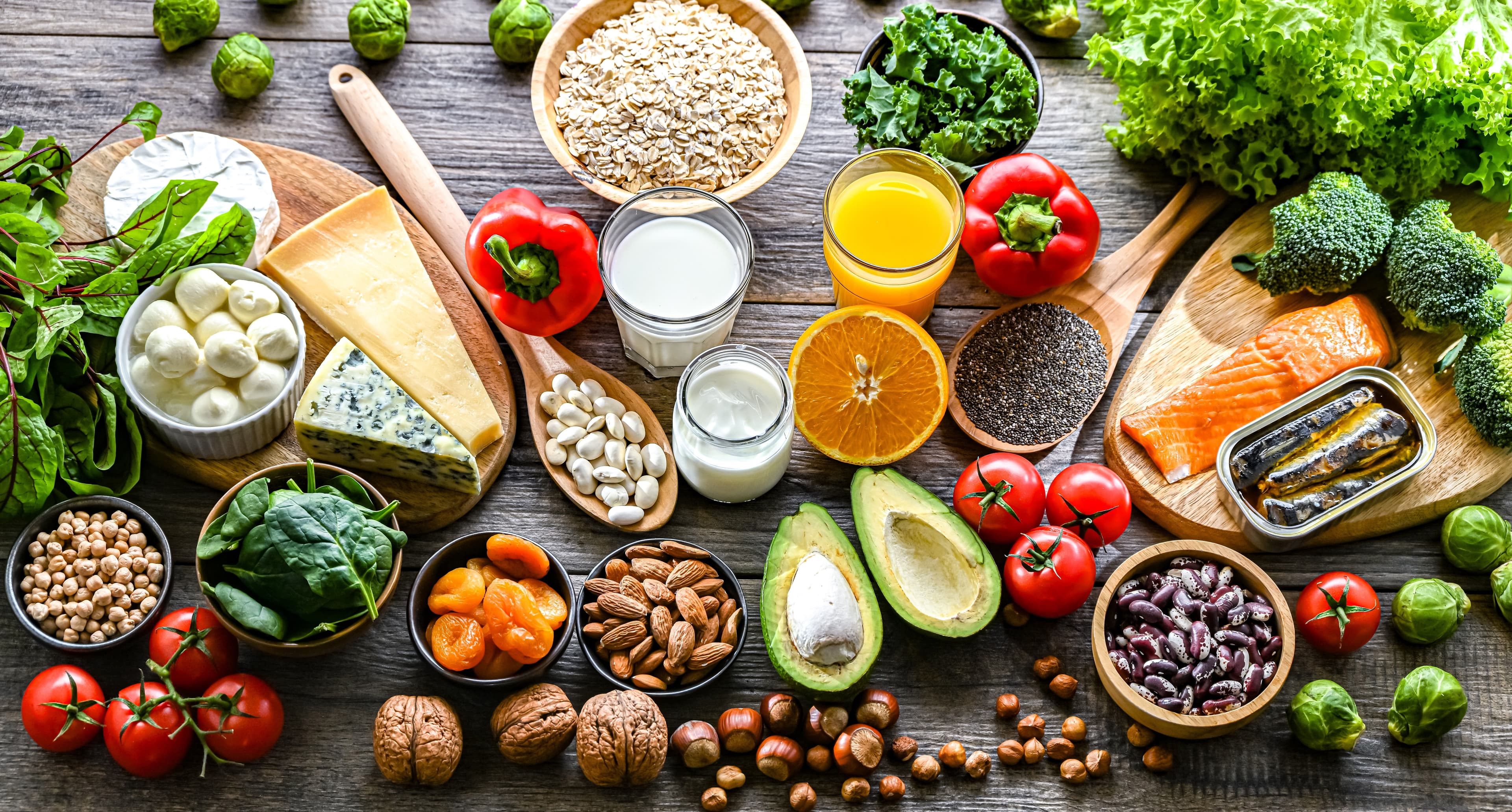
If you're experiencing unexplained fatigue, persistent bloating, or that general "blah" feeling despite eating well—and you're wondering if a liver cleanse could be the reset your body needs? The Global Detox Products Market certainly wants you to think so, with promises of renewed energy and rapid toxin elimination.
Here's the kicker: while commercial detox products don't work and can actually harm your liver, your instinct about needing liver support isn't wrong. Your liver processes over 500 functions daily while managing an unprecedented toxic load that previous generations never faced.
Our approach is to optimize liver health using evidence-based functional medicine approaches that address the gut-liver connection and environmental factors that actually determine liver function.
You'll discover why commercial cleanses often fail, how your liver's natural detoxification works, and most importantly, a systematic protocol that actually supports your liver's abilities without dangerous side effects.
What Is a Liver Cleanse?
A liver cleanse typically involves fasting, drinking only juices for several days, following restrictive diets, or taking herbal supplements that claim to remove toxins, boost liver function, or help you lose weight. These products are often sold in expensive combination packages with promises of rapid results.
The FDA regulation gap creates serious concerns. Unlike medications, liver cleanse products aren't always required to prove safety or effectiveness before reaching store shelves. Johns Hopkins hepatologist Dr. Tinsay Woreta explains: "Unfortunately, these products are not regulated by the FDA, and thus are not uniform and have not been adequately tested in clinical trials."
Studies show that liver injuries from herbal and dietary supplements are actually increasing. Some ingredients, including green tea extract in high doses, can cause hepatitis-like damage.
The missing context: Your symptoms of fatigue and bloating aren't imaginary—they may indicate your liver needs support. The problem isn't that your liver requires "cleansing," but that modern environmental toxin exposure creates an unprecedented burden requiring evidence-based support, not generic detox products.
Your Liver's Natural Detox System
Your liver handles over 500 essential functions while processing toxins through an elegant two-phase system that works 24/7 without any "cleanse" assistance.
Phase 1 Detoxification uses cytochrome P450 enzymes to break down toxins into intermediate compounds. This process can temporarily increase the reactivity of some toxins, much like dismantling a complex machine, where individual pieces become more hazardous than the whole. This phase requires B vitamins, antioxidants, and minerals like magnesium.
Phase 2 Detoxification neutralizes those reactive compounds through conjugation, attaching molecules like glutathione to make toxins water-soluble for elimination through urine or bile. This phase depends on adequate protein and specific nutrients.
Supporting only Phase 1 without Phase 2 can temporarily increase toxic burden, causing headaches, fatigue, and irritability—the very symptoms people seek cleanses to resolve.
Your liver also produces 27-34 ounces of bile daily for fat digestion and toxin elimination. When bile flow becomes sluggish due to poor nutrition or stress, both digestion and detoxification suffer.
How Your Gut Affects Your Liver
Your liver receives 75% of its blood supply directly from your intestines. Every bacterial byproduct, inflammatory compound, and food particle from your gut travels straight to your liver before anywhere else.
When your gut barrier becomes compromised—"leaky gut"—larger molecules enter circulation and head directly to your liver for processing.
Specific gut bacteria produce lipopolysaccharides (LPS), inflammatory compounds that stress liver detoxification pathways. Small Intestinal Bacterial Overgrowth (SIBO) creates particularly problematic scenarios where bacteria ferment food and produce toxic byproducts, all traveling directly to your liver.
This creates a vicious cycle: gut dysfunction burdens your liver, while liver dysfunction impairs bile production, worsening gut symptoms. Supporting your liver effectively requires addressing this gut-liver axis—a connection that generic cleanses completely ignore.
Modern Life's Assault on Your Liver
Your liver evolved to handle natural toxins, not the hundreds of synthetic chemicals the average person encounters daily through food, air, water, and personal care products. Environmental health studies show these chemicals accumulate in fat tissue and continue disrupting liver function for months.
Every synthetic chemical your liver processes depletes specific nutrients. Processing phthalates inhibits glutathione regeneration. Metabolizing pesticides requires B vitamins and magnesium. People with higher chemical exposure require increased antioxidant support for optimal liver function.
Modern artificial lighting and screen exposure also disrupt your liver's circadian rhythms. Liver enzyme activity follows precise patterns, with detoxification peaking during specific nighttime hours. When disrupted, liver efficiency can be significantly impaired.
The solution isn't avoiding modern life—it's providing evidence-based support that accounts for unprecedented environmental challenges.
The Science of Natural Liver Support
Evidence-based liver support focuses on optimizing natural capacity rather than promising rapid detoxification. Research reveals specific compounds that genuinely enhance liver function when used correctly.
- Choline: Choline deficiency is now recognized as a major cause of fatty liver, independent of calories. Clinical studies show that consuming a whole egg daily or supplementing with phosphatidylcholine (up to 4 grams) supports Choline Intake. This helps with a healthy bile flow and prevents fat accumulation in liver cells.
- Milk Thistle: Silymarin acts as an antioxidant, protecting liver cell membranes and promoting regeneration.
- Coffee: A 2021 analysis showed regular coffee consumption significantly reduces liver disease risk. Ground coffee provides optimal benefit at 3-4 cups daily by preventing fat accumulation and inflammation.
- Green Tea: While moderate green tea supports liver health, concentrated extracts can cause liver injury in healthy individuals. The dose determines benefit versus harm.
The 3-Phase Liver Optimization Protocol
Backed by thorough research, we’ve found a systematic approach that addresses root causes through strategic sequencing.
Phase 1: Gut Foundation (Weeks 1-4)
It’s not uncommon for liver support failures to stem from unaddressed gut dysfunction. Start here:
Daily Protocol:
- 5-10 drops bitter herb tincture (gentian or dandelion) under the tongue before meals
- 20-30 grams of protein within 30 minutes of waking
- 1-2 tablespoons ground flaxseed daily
- Magnesium glycinate: 300-400mg before bed
- Multi-strain probiotic with meals
- Phosphatidylcholine: 3-4 grams daily
Phase 2: Liver Pathway Support (Weeks 3-8)
Once gut function stabilizes, add targeted liver support:
Morning (with breakfast):
- B-complex (methylated): 50-100mg
- Vitamin C: 1000mg
- NAC: 600mg
Evening (with dinner):
- Milk thistle extract: 300-400mg to protect intact liver cells
- Alpha-lipoic acid: 300mg
Phase 3: Environmental Optimization (Ongoing)
Address root causes through strategic toxin reduction:
- Replace plastic food storage with glass
- Choose organic for high-pesticide produce
- Filter drinking water
- Use minimal-ingredient personal care products
- Include weekly sauna or Epsom salt baths
Personalization Guidelines:
- Fast metabolizers (coffee effects wear off quickly): Use higher doses
- Slow metabolizers (coffee keeps you awake past 9 PM): Start with 50% doses
- High toxic load signs (persistent fatigue, chemical sensitivities): Begin gentler, progress slower
What to Expect: Timeline and Success Markers
Here are some common improvement patterns to keep an eye out for:
- Weeks 1-2: Improved bowel regularity, better sleep, reduced afternoon crashes, decreased sugar cravings
- Weeks 3-6: Sustained energy, clearer thinking, better food tolerance, reduced bloating
- Weeks 6-12: Enhanced stress resilience, improved exercise recovery, hormone balance, stable weight
- Long-term (3-6 months): Reduced supplement dependence while maintaining benefits, enhanced resilience to stress and dietary indiscretions
Red flags requiring adjustment include persistent worsening of symptoms after week 2, severe digestive upset, or the appearance of new symptoms.
Safety and Professional Integration
When to seek professional guidance:
- Existing liver disease requires medical supervision
- Prescription medications may need adjustment as liver function improves
- Gallbladder disease necessitates avoiding bile-stimulating protocols
- Pregnancy and breastfeeding require modified approaches
Enhanced liver function can affect medication metabolism. Always inform healthcare providers about liver support protocols, especially for blood thinners, diabetes medications, and thyroid hormones.
Long-Term Liver Care
Your search for liver cleanse information revealed an important truth: commercial detox products don't work, but your instinct about needing liver support was correct. The solution lies in addressing root causes through systematic, evidence-based approaches.
The 3-phase protocol provides what generic cleanses cannot. Comprehensive support that addresses gut-liver connections, environmental burden, and individual differences while working with your body's natural design.
Start with Phase 1 this week by incorporating bitter herbs before meals and ensuring adequate protein intake. This gut foundation often produces noticeable improvements within days while setting the stage for lasting liver optimization.
Your liver has been protecting you from modern life's chemical exposure. With this evidence-based approach, you now have the tools to support it properly through science-based protocols rather than marketing promises.
References
- Centers for Disease Control and Prevention. (2024). National Report on Human Exposure to Environmental Chemicals. U.S. Department of Health and Human Services. https://www.cdc.gov/biomonitoring/resources/national-exposure-report.html
- Cleveland Clinic. (2024). Bile: What it is, where it's made & what it does. Cleveland Clinic Health Library. https://my.clevelandclinic.org/health/body/what-is-bile
- Cleveland Clinic. (2024). Leaky gut syndrome: Symptoms, diet, tests & treatment. Cleveland Clinic Health Library. https://my.clevelandclinic.org/health/diseases/22724-leaky-gut-syndrome
- ConsumerLab. (2023). What supplements to avoid when taking blood thinners. ConsumerLab.com. https://www.consumerlab.com/answers/which-supplements-should-be-avoided-when-taking-anticoagulants/warfarin-interactions/
- Farrell, G. C., & Larter, C. Z. (2017). Endocrine-disrupting chemicals and fatty liver disease. Nature Reviews Endocrinology, 13(8), 445-457. https://doi.org/10.1038/nrendo.2017.42
- Grand View Research. (2024). Detox products market size, share & trends analysis report by product type, by distribution channel, by region, and segment forecasts, 2024-2030. https://www.grandviewresearch.com/industry-analysis/detox-product-market
- Hodges, R. E., & Minich, D. M. (2015). Modulation of metabolic detoxification pathways using foods and food-derived components: A scientific review with clinical application. Journal of Nutrition and Metabolism, 2015, 760689. https://doi.org/10.1155/2015/760689
- Johns Hopkins Medicine. (2024). Liver: Anatomy and functions. Johns Hopkins Medicine Health Library. https://www.hopkinsmedicine.org/health/conditions-and-diseases/liver-anatomy-and-functions
- Kennedy, O. J., Roderick, P., Buchanan, R., Fallowfield, J. A., Hayes, P. C., & Parkes, J. (2021). All coffee types decrease the risk of adverse clinical outcomes in chronic liver disease: A UK Biobank study. BMC Public Health, 21(1), 970. https://doi.org/10.1186/s12889-021-10991-7
- Linus Pauling Institute. (2024). Choline. Micronutrient Information Center, Oregon State University. https://lpi.oregonstate.edu/mic/other-nutrients/choline
- Luangchosiri, C., Thakkinstian, A., Chitphuk, S., Stitchantrakul, W., Petraksa, S., & Sobhonslidsuk, A. (2015). A double-blinded randomized controlled trial of silymarin for the prevention of antituberculosis drug-induced liver injury. BMC Complementary and Alternative Medicine, 15, 334. https://doi.org/10.1186/s12906-015-0861-7
- LuminWaves Health Research. (2024). N-acetylcysteine and glutathione: A comprehensive review. LuminWaves Research Journal. https://luminwaves.com/articles/n-acetylcysteine-glutathione-exploration/
- Meroni, M., Longo, M., & Dongiovanni, P. (2019). The role of nutrients in non-alcoholic fatty liver disease: From pathophysiology to therapy. International Journal of Molecular Sciences, 20(24), 6325. https://doi.org/10.3390/ijms20246325
- Nabavi, S. F., Bilotto, S., Russo, G. L., Orhan, I. E., Habtemariam, S., Daglia, M., Devi, K. P., Loizzo, M. R., Tundis, R., & Nabavi, S. M. (2017). Omega-3 polyunsaturated fatty acids and cancer: Lessons learned from clinical trials. Cancer and Metastasis Reviews, 36(4), 695-711. https://doi.org/10.1007/s10555-017-9677-8
- National Center for Biotechnology Information. (2024). Cytochrome P450 enzymes and drug metabolism in humans. PMC. https://pmc.ncbi.nlm.nih.gov/articles/PMC8657965/
- National Center for Biotechnology Information. (2024). Green tea - LiverTox. NCBI Bookshelf. https://www.ncbi.nlm.nih.gov/books/NBK547925/
- National Center for Biotechnology Information. (2024). Liver injury from herbal and dietary supplements. PMC. https://pmc.ncbi.nlm.nih.gov/articles/PMC5502701/
- National Center for Biotechnology Information. (2024). Milk thistle - StatPearls. NCBI Bookshelf. https://www.ncbi.nlm.nih.gov/books/NBK541075/
- National Center for Biotechnology Information. (2024). The gut-liver axis in health and disease: The role of gut microbiota-derived signals in liver injury and regeneration. Frontiers in Immunology. https://www.frontiersin.org/journals/immunology/articles/10.3389/fimmu.2021.775526/full
- Paoli, A., Tinsley, G., Bianco, A., & Moro, T. (2019). The influence of meal frequency and timing on health in humans: The role of fasting. Nutrients, 11(4), 719. https://doi.org/10.3390/nu11040719
- Qi, X., Yang, M., Ren, W., Jia, J., Wang, J., Han, G., & Fan, D. (2018). Find effective liver-protecting drugs: A review of traditional Chinese medicine for liver fibrosis. Biomedicine & Pharmacotherapy, 103, 1102-1113. https://doi.org/10.1016/j.biopha.2018.04.127
- Romero-Gómez, M., Zelber-Sagi, S., & Trenell, M. (2017). Treatment of NAFLD with diet, physical activity and exercise. Journal of Hepatology, 67(4), 829-846. https://doi.org/10.1016/j.jhep.2017.05.016
- Saller, R., Brignoli, R., Melzer, J., & Meier, R. (2008). An updated systematic review with meta-analysis for the clinical evidence of silymarin. Forschende Komplementärmedizin, 15(1), 9-20. https://doi.org/10.1159/000113648
- Scholten, D., Trebicka, J., Liedtke, C., & Weiskirchen, R. (2015). The carbon tetrachloride model in mice. Laboratory Animals, 49(1 Suppl), 4-11. https://doi.org/10.1177/0023677215571192
- Shah, K., Villareal, D. T., Barshop, B. A., Barg, A., Schroeder, E. T., Gonzalez-Freire, M., Cabo, R., Leeuwenburgh, C., & Manini, T. M. (2018). Effect of caloric restriction on biomarkers of longevity and oxidative stress in obese adults: A randomized controlled trial. JAMA Internal Medicine, 178(7), 922-930. https://doi.org/10.1001/jamainternmed.2018.1043
- Takikawa, M., Inoue, S., Horio, F., & Tsuda, T. (2010). Dietary anthocyanin-rich bilberry extract ameliorates hyperglycemia and insulin sensitivity via activation of AMP-activated protein kinase in diabetic mice. Journal of Nutrition, 140(3), 527-533. https://doi.org/10.3945/jn.109.118216
- Tripodi, A., Fracanzani, A. L., Primignani, M., Chantarangkul, V., Clerici, M., Mannucci, P. M., Peyvandi, F., & Bertelli, C. (2014). Procoagulant imbalance in patients with non-alcoholic fatty liver disease. Journal of Hepatology, 61(1), 148-154. https://doi.org/10.1016/j.jhep.2014.03.013
- U.S. Food and Drug Administration. (2024). Questions and answers on dietary supplements. FDA.gov. https://www.fda.gov/food/information-consumers-using-dietary-supplements/questions-and-answers-dietary-supplements
- Urban Moonshine. (2024). Detox and metabolism: Supporting the liver's crucial role in health. Urban Moonshine Blog. https://urbanmoonshine.com/blogs/blog/detox-and-metabolism-supporting-the-liver-s-crucial-role-in-health
- Vairetti, M., Di Pasqua, L. G., Cagna, M., Richelmi, P., Ferrigno, A., & Berardo, C. (2021). Changes in glutathione content in liver diseases: An update. Antioxidants, 10(3), 364. https://doi.org/10.3390/antiox10030364
- Wikipedia Contributors. (2024). Portal vein. Wikipedia, The Free Encyclopedia. https://en.wikipedia.org/wiki/Portal_vein
- Xcode Life Sciences. (2024). How genes influence detoxification part 2: Phase II detoxification. Xcode Life Genetics. https://www.xcode.life/genes-and-detox/phase-2-detoxification/
- Yin, J., Li, Y., Han, H., Chen, S., Gao, J., Liu, G., Wu, X., Deng, J., Yu, Q., Huang, X., Fang, R., Li, T., Reiter, R. J., Zhang, D., Wang, C., Zhu, Q., Zhu, Y., Ren, W., & Yin, Y. (2018). Melatonin reprogramming of gut microbiota improves lipid dysmetabolism in high-fat diet-fed mice. Journal of Pineal Research, 65(4), e12524. https://doi.org/10.1111/jpi.12524
- Johns Hopkins Medicine. (n.d.). Detoxing your liver: Fact versus fiction. https://www.hopkinsmedicine.org/health/wellness-and-prevention/detoxing-your-liver-fact-versus-fiction
- NCBI Bookshelf. (2020). Green Tea. https://www.ncbi.nlm.nih.gov/books/NBK547925/
- PubMed Central (PMC). (2016). Liver Injury from Herbal and Dietary Supplements. https://pmc.ncbi.nlm.nih.gov/articles/PMC5502701/
- NCBI Bookshelf. (2023). Physiology, Liver. https://www.ncbi.nlm.nih.gov/books/NBK535438/
- PubMed Central (PMC). (2013). Enhanced Phase II Detoxification Contributes to Beneficial Effects of Dietary Restriction as Revealed by Multi-platform Metabolomics Studies. https://pmc.ncbi.nlm.nih.gov/articles/PMC3591652/
- NCBI Bookshelf. (2023). Anatomy, Abdomen and Pelvis, Portal Venous System (Hepatic Portal System. https://www.ncbi.nlm.nih.gov/books/NBK554589/
- PubMed Central (PMC). (2020). Small Intestinal Bacterial Overgrowth: Comprehensive Review of Diagnosis, Prevention, and Treatment Methods. https://pmc.ncbi.nlm.nih.gov/articles/PMC7386065/
- Nature. (2024). Evidence for widespread human exposure to food contact chemicals. https://www.nature.com/articles/s41370-024-00718-2
- PubMed Central (PMC). (2019). Di(2-ethylhexyl) phthalate inhibits glutathione regeneration and dehydrogenases of the pentose phosphate pathway on human colon carcinoma cells. https://pmc.ncbi.nlm.nih.gov/articles/PMC6985414/
- U.S. Environmental Protection Agency (EPA). (2015). Recognition and Management of Pesticide Poisonings. https://www.epa.gov/sites/default/files/2015-01/documents/rmpp_6thed_final_lowresopt.pdf
READ NEXT
Normal Insulin Levels: Understanding Your Metabolic Health
Your recent blood work shows "normal insulin levels," but you're still struggling with afternoon energy crashes, stubborn weight gain around your midsection, and constant sugar cravings. If this sounds familiar, you're not imagining the disconnect—and you're definitely not alone in feeling confused about what these numbers actually mean for your health.
Dr. Josh Axe | August 08, 2025

Perimenopause Weight Gain: The Root Cause Approach
You've been eating the same foods and exercising consistently for years. But suddenly, your body seems to have completely different rules—and those extra 10-15 pounds around your midsection appeared almost overnight, despite your best efforts.
Dr. Josh Axe | July 09, 2025
Essential Vitamins to Balance Hormones for Women
You're taking vitamins for hormone balance, but you're still struggling with mood swings, irregular periods, and exhausting fatigue. If this sounds familiar, you're not alone—statistics show that
Dr. Josh Axe | July 09, 2025

Find the Perfect Plan
We offer two types of plans: the All-Access Pass which gives you unlimited access to everything inside of the platform, or Single Course purchases which give you lifetime access to the individual courses that you sign up for.
The All Access Pass: this subscription is designed for those who are looking for extra hands on support, a wide variety of easily accessible courses to address various health concerns, and community support. You may cancel at any time.
Single Program: this one time purchase is perfect for those who have one single issue that they're looking to address. You'll gain access to everything within that course including fillable workbooks and quizzes. However, you will not have access to weekly live webinars, webinar library or our community forum access.
Monthly Subscription
All-Access Pass