
Essential Vitamins to Balance Hormones for Women
Published On: July 09, 2025, by Dr. Josh Axe
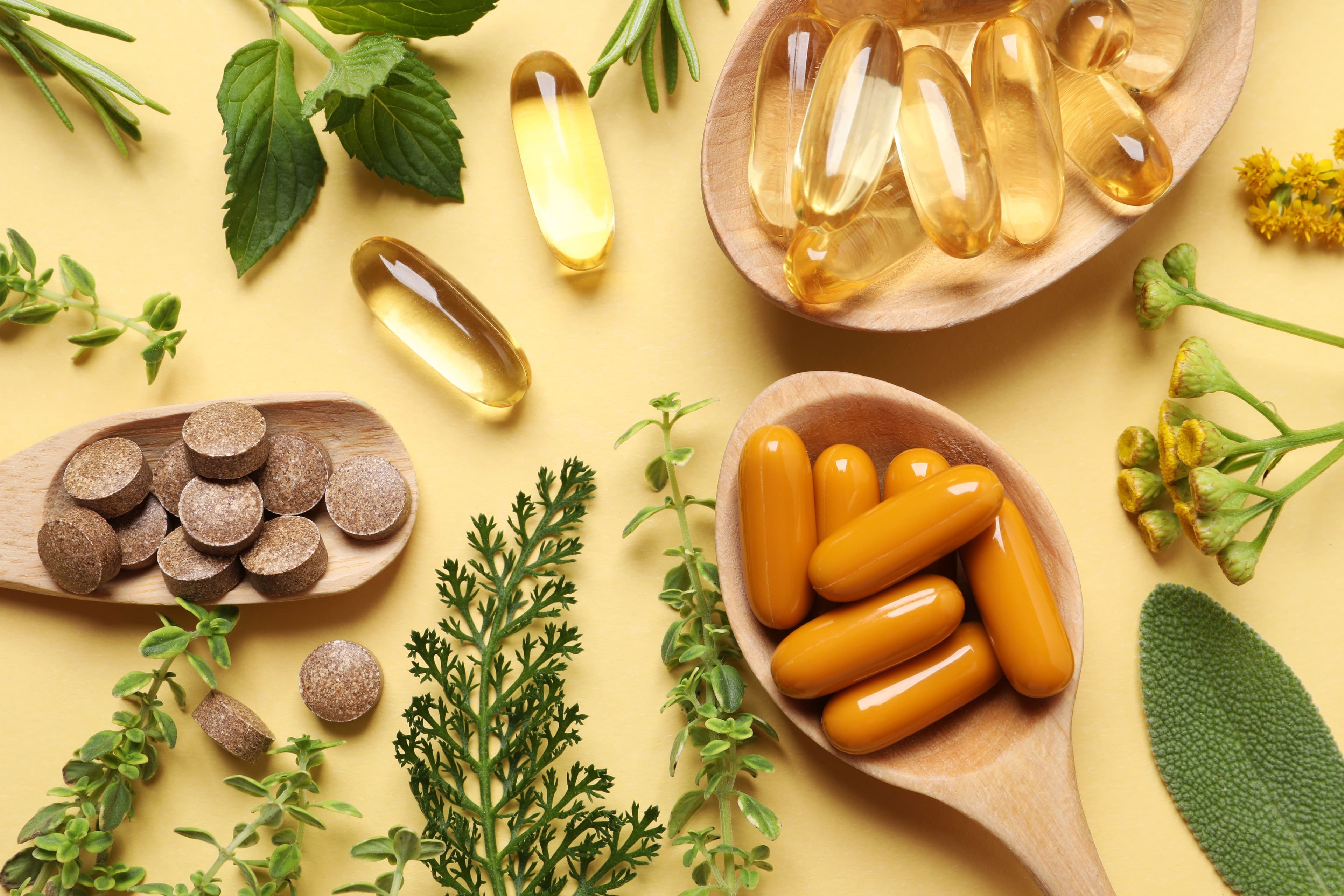
You're taking vitamins for hormone balance, but you're still struggling with mood swings, irregular periods, and exhausting fatigue. If this sounds familiar, you're not alone—statistics show that 80 percent of women suffer from hormonal imbalance.
You're not missing something obvious. The truth is, most approaches to hormonal health miss a critical piece of the puzzle.
Conventional advice often emphasizes the importance of addressing individual vitamin deficiencies. However, it's essential to consider how your gut health, exposure to environmental toxins, and the complex interactions between your digestive and endocrine systems influence the effectiveness of these vitamins. If you neglect these foundational factors, even the highest-quality supplements may not help you achieve the hormone balance you desire.
At The Health Institute, we know that the most effective approach combines targeted vitamin protocols with functional medicine principles that address root causes rather than just symptoms. This means understanding how your gut bacteria process hormones, how environmental factors increase your vitamin needs, and why the sequence of implementation matters as much as the vitamins themselves.
We'll take a look at the essential vitamins that truly support female hormone balance, reveal the gut-hormone connection that most practitioners overlook, and provide you with a step-by-step protocol that addresses the underlying factors preventing your current supplements from working effectively.
Understanding Female Hormone Imbalance
When your hormones are out of balance, your body sends clear signals—irregular periods, unexplained weight gain, crushing fatigue, mood swings, and brain fog that makes simple tasks overwhelming. Hormonal imbalances are the leading cause of infertility in women, yet conventional approaches often focus on managing symptoms rather than addressing root causes.
Your endocrine system, which includes your ovaries, thyroid, adrenals, and pancreas, functions as an interconnected network where disruptions in one area can cascade through the entire system. Some common imbalances include estrogen dominance, insulin resistance, thyroid dysfunction, and chronic cortisol elevation from ongoing stress.
Here's the critical insight most practitioners miss: Your digestive system plays a crucial role in hormone metabolism and clearance. The liver and gut serve as the primary sites of hormone metabolism and regulation, not in your hormone-producing glands themselves. Without optimal gut function, even the most targeted vitamin protocols may provide minimal relief.
The Gut-Hormone Connection: Your Body's Hidden Control Center
Your gut microbiome contains a specialized subset called the estrobolome—bacteria that produce an enzyme determining whether estrogen gets properly eliminated or reactivated and recirculated. When you have an overgrowth of harmful bacteria, they produce excess amounts of this enzyme, leading to estrogen dominance even if your ovaries aren't overproducing estrogen.
Research published in Biology shows that women with hormone imbalances consistently have different gut bacterial profiles compared to women with balanced hormones. They tend to have lower levels of beneficial bacteria like Lactobacillus and higher levels of inflammatory bacteria that interfere with hormone clearance.
Additionally, poor gut health impairs absorption of the very vitamins and minerals your body needs to produce and metabolize hormones effectively. If your gut barrier is compromised, inflammation increases throughout your body, disrupting communication between your brain and hormone-producing glands.
This connection explains why many women see limited results from hormone-balancing vitamins alone. Supporting your gut health isn't just beneficial for hormone balance—it's foundational.
Environmental Factors That Amplify Your Vitamin Needs
Living in the modern world significantly increases your nutritional requirements beyond standard recommendations. Endocrine-Disrupting Chemicals (EDCs)—chemicals that mimic, block, or interfere with your body's hormones—are now so pervasive that women are exposed to 168 ingredients daily from personal care products alone, with additional exposures from food, air, and water.
Endocrine-disrupting chemicals like BPA, phthalates, and parabens don't just interfere with your hormones directly; they also increase your body's demand for specific vitamins needed to metabolize and eliminate these toxins. Women with higher EDC exposure may require increased nutrients for effective detoxification support.
Research demonstrates that every time your liver processes a synthetic chemical, it uses up glutathione, B vitamins for methylation, and magnesium for detoxification pathways. This creates a hidden vitamin debt that conventional dosing recommendations often overlook.
The most problematic exposures include:
- Plastic food containers and water bottles (BPA and phthalates)
- Conventional personal care products (parabens and synthetic fragrances)
- Non-stick cookware (perfluorinated compounds)
- Pesticide residues on non-organic produce
- Synthetic hormones in conventionally raised meat and dairy
If you live in a city, use conventional products, or can't access organic foods regularly, consider increasing your vitamin D to 3,000-4,000 IU, B-complex to therapeutic doses (50-100mg range), and adding vitamin C specifically for detoxification support.
The next section will explain why these three vitamins are specifically beneficial.
Essential Vitamins for Female Hormone Balance
While gut health provides the foundation, specific vitamins serve as the building blocks your body needs to produce, regulate, and metabolize hormones effectively. Unlike generic multivitamins, targeted vitamins to balance hormones for females require specific forms, dosages, and timing.
Vitamin D: The Master Hormone Regulator
Vitamin D functions more like a hormone than a traditional vitamin, with receptors in many tissues, including your ovaries, thyroid, and adrenal glands. This "sunshine vitamin" directly influences estrogen, progesterone, and testosterone production while supporting optimal insulin sensitivity.
Research reveals that women with vitamin D deficiency are more likely to experience hormone-related conditions like PCOS. The vitamin helps regulate the enzyme aromatase, which converts androgens to estrogens, explaining why adequate levels are crucial for preventing both estrogen excess and deficiency.
Optimal dosing: Most women need 600 IU daily of vitamin D3 (cholecalciferol) rather than D2. Take with a fat-containing meal to optimize absorption.
Food sources: Fatty fish like salmon and sardines, egg yolks from pasture-raised chickens, and UV-exposed mushrooms. However, most women require supplementation to achieve optimal blood levels.
B-Complex Vitamins: The Hormone Production and Clearance Team
The B vitamins work synergistically to support hormone production, metabolism, and clearance through your liver's detoxification pathways. This family is particularly crucial for the methylation process—a biochemical pathway that helps your liver break down and eliminate excess hormones.
Vitamin B6 (pyridoxine) is essential for progesterone production and helps convert tryptophan into serotonin. Studies show that women taking 50-100mg daily experience significant reductions in PMS symptoms, including mood swings, breast tenderness, and bloating.
Vitamin B12 and folate support methylation, the process by which your liver packages hormones for elimination. When methylation is impaired, hormones like estrogen can accumulate, leading to estrogen dominance symptoms.
Important: B6 supplementation should not exceed 100mg daily as higher doses may cause neuropathy with long-term use.
Optimal approach: Choose methylated forms (methylcobalamin for B12, methylfolate instead of folic acid), as these don't require liver conversion. A high-quality B-complex providing 50-100mg of most B vitamins daily supports optimal hormone metabolism.
Magnesium: Calming the HPA Axis for Hormone Harmony
Magnesium participates in over 300 enzymatic reactions, many directly impacting hormone balance. This "relaxation mineral" helps calm your HPA (hypothalamic-pituitary-adrenal) axis—the stress response system that, when overactive, disrupts virtually every other hormone.
When you're stressed, your body uses magnesium rapidly, creating a cycle where stress depletes magnesium, and magnesium deficiency makes you more susceptible to stress. Magnesium supplementation can reduce cortisol levels and improve insulin sensitivity.
Magnesium supports hormone balance by:
- Calming the nervous system and reducing cortisol production
- Supporting liver metabolism and clearance of excess estrogen
- Improving insulin sensitivity and blood sugar stability
- Promoting restful sleep, essential for hormone production
Optimal dosing: Magnesium glycinate (300mg daily) is among the most bioavailable forms with minimal digestive upset. Take it in the evening to promote relaxation.
Omega-3 Fatty Acids: Anti-Inflammatory Hormone Support
Omega-3 fatty acids, particularly EPA and DHA from fish oil, provide raw materials for hormone production while reducing chronic inflammation that disrupts hormonal communication. These essential fats help resolve inflammation through specialized pro-resolving mediators that actively restore immune balance.
Clinical research demonstrates that women taking omega-3 fatty acids daily experience improvements in PMS symptoms. For women with PCOS, omega-3 supplementation helps reduce testosterone levels.
Choose molecularly distilled fish oil in triglyceride form rather than ethyl ester for better absorption. Plant sources provide ALA, which must be converted to EPA and DHA—a process that's inefficient in many women.
Condition-Specific Vitamin Protocols
Your specific hormone pattern often requires targeted adjustments beyond general recommendations. Here are evidence-based modifications for common conditions:
PCOS: Addressing Insulin Resistance and Androgen Excess
PCOS affects up to 13% of women and involves insulin resistance, inflammation, and androgen excess. Women with PCOS typically have increased oxidative stress and impaired cellular vitamin uptake.
PCOS-specific modifications:
- Vitamin D: Increase to 600 IU daily
- Inositol: Add 2-4 grams daily for insulin sensitivity and ovarian function
- Magnesium: Increase to 300mg daily for blood sugar support
- Omega-3s: Target 250-500mg EPA/DHA to address chronic inflammation
Perimenopause and Menopause: Supporting Hormonal Transition
As ovarian hormone production declines, your body shifts production to adrenal glands and fat tissue. This transition requires specific nutritional support.
Menopause-specific modifications:
- Vitamin D: Often increase to 600 IU for bone health
- B6: Increase to 50-100mg for neurotransmitter support
- Vitamin E: Add 100 IU natural form for hot flash reduction
- Vitamin C: Increase to 1,000-2,000mg for adrenal support
Thyroid Dysfunction: Supporting Conversion and Function
Thyroid issues affect up to 1 in 8 women. Many have adequate T4 production but poor conversion to active T3—a process heavily dependent on specific nutrients.
Thyroid-supporting additions:
- Selenium: 200mcg daily for T4 to T3 conversion
- Vitamin A: 700mcg retinol form for thyroid receptors
- B12: Sublingual methylcobalamin 1,000mcg for absorption issues
The 3-Phase Implementation Protocol
This systematic approach addresses why some women experience dramatic improvements, while others experience minimal change, despite taking the same supplements.
Phase 1: Foundation Building (Weeks 1-4)
The gut-first principle guides our initial approach. Rather than immediately loading your system with vitamins, we create the optimal environment for nutrient absorption and hormone metabolism by first reducing inflammation, supporting digestive efficiency, and enhancing your body’s natural detoxification pathways. These foundational steps help ensure that once supplements are introduced, they’re not just passing through—but actually being absorbed, utilized, and integrated into your hormonal healing process.
Weeks 1-2: Digestive optimization
- High-quality probiotic with Lactobacillus strains
- Digestive enzymes with meals
- 1-2 tablespoons ground flaxseed daily for estrogen clearance
Weeks 3-4: Liver preparation
- Milk thistle (300mg daily)
- N-acetylcysteine (600mg daily)
- Vitamin C (1,000mg twice daily)
Phase 2: Strategic Vitamin Implementation (Weeks 5-8)
With your digestive and detoxification systems optimized, implement the targeted vitamin protocol using strategic timing.
Morning protocol (within 30 minutes of waking):
- Vitamin D3: 2,000-4,000 IU with fat
- B-complex (methylated forms): 50-100mg
- Magnesium glycinate: 200mg
- Vitamin C: 500mg
Evening protocol (with dinner):
- Omega-3 fish oil: 1,000-2,000mg EPA/DHA
- Additional magnesium: 200-400mg
- Vitamin E: 200-400 IU (if needed)
This split dosing maintains steady blood levels, optimizes absorption, and aligns with your body's natural circadian hormone rhythms.
Phase 3: Personalization and Optimization (Weeks 9-12+)
Fine-tune your protocol based on your body's responses and specific hormonal patterns.
Progress monitoring: Track sleep quality, energy stability, mood regulation, and menstrual cycle improvements.
Condition-specific adjustments: Add targeted nutrients based on your specific needs (inositol for PCOS, selenium for thyroid, etc.) and adjust doses based on environmental factors and stress levels.
Monitoring Your Success
Traditional approaches rely on symptom improvement, but we've identified more reliable markers that predict long-term success:
Early indicators (Weeks 2-4):
- Improved sleep quality and falling asleep more easily
- More regular bowel movements and reduced bloating
- Better tolerance of previously problematic foods
Progressive markers (Weeks 6-10):
- Stable energy throughout the day without afternoon crashes
- More consistent mood regulation and improved stress resilience
- Menstrual cycle improvements with reduced PMS symptoms
Advanced success markers (3-6 months):
- Reduced supplement dependence while maintaining benefits
- Enhanced recovery from stress, poor sleep, or dietary indiscretions
- Improved overall resilience and vitality
When to Seek Professional Support
While this protocol addresses most women's needs, certain situations benefit from professional functional medicine evaluation:
Consider professional support if:
- Complex medical history or multiple hormone-related diagnoses
- Symptoms severely impact daily functioning
- Interest in advanced testing for genetic variations or specific deficiencies
- No significant improvement after 12 weeks of consistent implementation
The Path Forward: Creating Lasting Hormone Balance
You now have access to the systematic approach that can help reclaim your hormone health. The key lies not just in taking the right vitamins, but in implementing them as part of a comprehensive protocol addressing root causes.
Start with the foundation. Begin Phase 1 this week by supporting your digestive health and liver function. This preparation may feel less exciting than jumping into vitamin protocols, but it's the difference between temporary symptom relief and lasting hormone balance.
Trust the process. You may start to notice improvements within 2-4 weeks, with significant changes by 8-12 weeks. Remember that hormone balance is a marathon—your body needs time to rebuild optimal function.
Monitor and adjust. Use the success markers outlined above to track progress beyond symptom relief. This comprehensive approach to vitamins to balance hormones for females works because it addresses the underlying factors that created the imbalance in the first place.
Your journey to hormone balance is unique, but you now have the knowledge and tools to create meaningful, lasting change in your hormonal health.
References
American Thyroid Association. (n.d.). Press room. American Thyroid Association. https://www.thyroid.org/media-main/press-room/
Barone, M., D'Amico, F., Brigidi, P., & Turroni, S. (2022). Microbial biomarkers for micronutrient status. Biofactors, 48(2), 307-314. https://doi.org/10.1002/biof.1835 PubMed
Dawson-Hughes, B., Harris, S. S., Lichtenstein, A. H., Dolnikowski, G., Palermo, N. J., & Rasmussen, H. (2015). Serum 25-hydroxyvitamin D and functional outcomes in older adults. Journal of the Academy of Nutrition and Dietetics, 115(2), 225-230. https://doi.org/10.1016/j.jand.2014.09.014
Environmental Working Group. (2004). Exposures add up - Survey results. Environmental Working Group. https://www.ewg.org/news-insights/news/2004/12/exposures-add-survey-results
Jahnen-Dechent, W., & Ketteler, M. (2012). Magnesium basics. Clinical Kidney Journal, 5(Suppl 1), i3-i14. https://doi.org/10.1093/ndtplus/sfr163
Loma Linda University Center for Fertility & IVF. (n.d.). Hormonal imbalance and infertility. Loma Linda Fertility. https://lomalindafertility.com/infertility/women/hormonal-imbalance/ lomalindafertility
Mohammadi, M. (2019). Oxidative stress and polycystic ovary syndrome: A comprehensive review. International Journal of Preventive Medicine, 10, 86. https://doi.org/10.4103/ijpvm.IJPVM_576_17 PubMed
Nadjarzadeh, A., Dehghani Firouzabadi, R., Vaziri, N., Daneshbodi, H., Lotfi, M. H., & Mozaffari-Khosravi, H. (2013). The effect of omega-3 supplementation on androgen profile and menstrual status in women with polycystic ovary syndrome: A randomized clinical trial. Iranian Journal of Reproductive Medicine, 11(8), 665-672. PubMed
National Institutes of Health Office of Dietary Supplements. (n.d.). Vitamin D: Fact sheet for health professionals. https://ods.od.nih.gov/factsheets/VitaminD-HealthProfessional/ Scirp
Pickering, G., Mazur, A., Trousselard, M., Bienkowski, P., Yaltsewa, N., Amessou, M., Noah, L., & Pouteau, E. (2020). Magnesium status and stress: The vicious circle concept revisited. Nutrients, 12(12), 3672. https://doi.org/10.3390/nu12123672 MDPI
Rhyu, J., & Yu, R. (2021). Liver as an endocrine organ. World Journal of Hepatology, 13(11), 1611-1628. https://doi.org/10.4254/wjh.v13.i11.1611 PubMed
Siddiqui, R., Makhlouf, Z., Alharbi, A. M., Alfahemi, H., & Khan, N. A. (2022). The gut microbiome and female health. Biology, 11(11), 1683. https://doi.org/10.3390/biology11111683 MDPI
Therapeutic Goods Administration. (2020). Health supplements containing vitamin B6 can cause peripheral neuropathy. Australian Government Department of Health. https://www.tga.gov.au/news/safety-alerts/health-supplements-containing-vitamin-b6-can-cause-peripheral-neuropathy
World Health Organization. (2024). Polycystic ovary syndrome. https://www.who.int/news-room/fact-sheets/detail/polycystic-ovary-syndrome who
Wyatt, K. M., Dimmock, P. W., Jones, P. W., & O'Brien, P. M. S. (1999). Efficacy of vitamin B-6 in the treatment of premenstrual syndrome: Systematic review. BMJ, 318(7195), 1375-1381. https://doi.org/10.1136/bmj.318.7195.1375 Nih +9
Glover, M., Maddox, J., Henderson, K., Rashid, M., Malin, K., & Lam, J. (2019). Gut microbial β-glucuronidases reactivate estrogens as components of the estrobolome that reactivate estrogens. Journal of Biological Chemistry, 294(52), 20621-20632. https://doi.org/10.1074/jbc.RA119.010950 [This is PMC6901331]
Wang, L., Tang, L., Zhai, D., Song, M., Li, W., Xu, S., Jiang, S., Meng, H., Liang, J., Wang, Y., & Zhang, B. (2023). The role of the sex hormone-gut microbiome axis in tumor immunotherapy. Gut Microbes, 15(1), 2185035. https://doi.org/10.1080/19490976.2023.2185035 [This is PMC10328709]
White, M. P., Alcock, I., Grellier, J., Wheeler, B. W., Hartig, T., Warber, S. L., Bone, A., Depledge, M. H., & Fleming, L. E. (2019). Spending at least 120 minutes a week in nature is associated with good health and wellbeing. Scientific Reports, 9, 7730. https://doi.org/10.1038/s41598-019-44097-3 [Note: This is NOT s41598-019-54070-9 - I was unable to locate the specific article with DOI ending in 54070-9]
Wyatt, K. M., Dimmock, P. W., Jones, P. W., & O'Brien, P. M. S. (1999). Efficacy of vitamin B-6 in the treatment of premenstrual syndrome: Systematic review. BMJ, 318(7195), 1375-1381. https://doi.org/10.1136/bmj.318.7195.1375 [This is PMC27878]
PubMed. (2010). Tissue-selective regulation of aromatase expression by calcitriol: implications for breast cancer therapy. https://pubmed.ncbi.nlm.nih.gov/19906814/
PubMed Central. (2015). Modulation of Metabolic Detoxification Pathways Using Foods and Food-Derived Components: A Scientific Review with Clinical Application. https://pmc.ncbi.nlm.nih.gov/articles/PMC4488002/
ScienceDirect. (2021). Bioavailability of magnesium food supplements: A systematic review. https://www.sciencedirect.com/science/article/abs/pii/S0899900721001568/
PubMed Central. (2018). Estrogens in the Regulation of Liver Lipid Metabolism. https://pmc.ncbi.nlm.nih.gov/articles/PMC5763482/
Wiley Online Library. (2023). Effect of omega-3 fatty acids on premenstrual syndrome: A systematic review and meta-analysis. https://obgyn.onlinelibrary.wiley.com/doi/10.1111/jog.15217
Nature. (2019). Effect of imbalance in folate and vitamin B12 in maternal/parental diet on global methylation and regulatory miRNAs. https://www.nature.com/articles/s41598-019-54070-9
READ NEXT

Normal Insulin Levels: Understanding Your Metabolic Health
Your recent blood work shows "normal insulin levels," but you're still struggling with afternoon energy crashes, stubborn weight gain around your midsection, and constant sugar cravings. If this sounds familiar, you're not imagining the disconnect—and you're definitely not alone in feeling confused about what these numbers actually mean for your health.
Dr. Josh Axe | August 08, 2025
The Science-Based Truth About a Liver Cleanse
If you're experiencing unexplained fatigue, persistent bloating, or that general "blah" feeling despite eating well—and you're wondering if a liver cleanse could be the reset your body needs? The Global Detox Products Market certainly wants you to think so, with promises of renewed energy and rapid toxin elimination.
Dr. Josh Axe | July 18, 2025

Perimenopause Weight Gain: The Root Cause Approach
You've been eating the same foods and exercising consistently for years. But suddenly, your body seems to have completely different rules—and those extra 10-15 pounds around your midsection appeared almost overnight, despite your best efforts.
Dr. Josh Axe | July 09, 2025

Find the Perfect Plan
We offer two types of plans: the All-Access Pass which gives you unlimited access to everything inside of the platform, or Single Course purchases which give you lifetime access to the individual courses that you sign up for.
The All Access Pass: this subscription is designed for those who are looking for extra hands on support, a wide variety of easily accessible courses to address various health concerns, and community support. You may cancel at any time.
Single Program: this one time purchase is perfect for those who have one single issue that they're looking to address. You'll gain access to everything within that course including fillable workbooks and quizzes. However, you will not have access to weekly live webinars, webinar library or our community forum access.
Monthly Subscription
All-Access Pass