
Perimenopause Weight Gain: The Root Cause Approach
Published On: July 09, 2025, by Dr. Josh Axe

You've been eating the same foods and exercising consistently for years. But suddenly, your body seems to have completely different rules—and those extra 10-15 pounds around your midsection appeared almost overnight, despite your best efforts.
If this sounds familiar, you're not alone. Studies indicate that the menopausal transition is a “high-risk” stage where women experience weight changes, with research showing the average woman gaining 1.5 pounds per year during midlife. What's more frustrating is that traditional diet and exercise approaches that worked in your 30s now seem completely ineffective, leaving you feeling like your body has betrayed you.
Here's what most articles won't tell you: the reason your usual weight loss methods stopped working isn't because you're doing something wrong. During perimenopause, your body undergoes profound metabolic changes that go far beyond declining estrogen levels. The connection between your gut bacteria and hormone metabolism—what functional medicine practitioners call the "estrobolome"—directly impacts how your body processes and eliminates estrogen. When this system is out of balance, excess estrogen can recirculate, leading to weight gain, bloating, and other hormonal symptoms.
We’ll explain why conventional approaches fail during perimenopause and provides an evidence-based, root-cause protocol that addresses the underlying hormonal and metabolic dysfunction. You'll discover the gut-brain-hormone connection that no one else is talking about, and learn specific steps to work with your changing body rather than against it.
What's Really Happening to Your Body During Perimenopause
Perimenopause typically begins in your mid-to-late 40s and can last 7-10 years before your final menstrual period. During this transition, your ovaries gradually reduce estrogen production while progesterone levels become increasingly erratic. These aren't just "minor hormonal adjustments"—they're profound metabolic shifts that affect every system in your body.
The most significant change is how your body processes and stores energy. Research demonstrates that estrogen plays a crucial role in maintaining insulin sensitivity. This determines how efficiently your cells absorb glucose from your bloodstream. As estrogen levels decline, your cells become increasingly resistant to insulin, forcing your pancreas to produce more of this fat-storage hormone to achieve the same blood sugar control.
This insulin resistance fundamentally alters the way your body stores fat. During your reproductive years, estrogen directs fat storage to your hips and thighs as subcutaneous fat. Now, with declining estrogen, your body preferentially stores fat around your organs as visceral fat, creating the characteristic "menopause belly." Body composition studies confirm that in postmenopausal women, belly fat accounts for 15-20% of total body weight, compared to just 5-8% in premenopausal women.
Even eating exactly the same foods as before, your body's response to those foods has fundamentally changed. This explains why your previously successful strategies suddenly feel ineffective.
Why Your Old Diet and Exercise Routine Stopped Working
The frustrating reality many women face is that their tried-and-true weight management strategies not only stop working during perimenopause—they can actually backfire. Understanding why requires looking beyond simple calories-in-versus-calories-out thinking.
During perimenopause, your body experiences a perfect storm of metabolic disruption. Clinical studies show that declining estrogen triggers a 0.6% annual loss of muscle mass. This means your metabolic rate naturally slows, even if your activity level remains the same.
Simultaneously, hormonal fluctuations activate your HPA (hypothalamic-pituitary-adrenal) axis, your body's primary stress response system. Chronic activation leads to elevated cortisol levels, which promotes fat storage specifically around your midsection while increasing cravings for high-calorie, high-carbohydrate foods.
Traditional calorie restriction during this time often worsens the problem. Severe calorie restriction signals "famine" to your already-stressed system, triggering further muscle breakdown and metabolic slowdown. Your body responds by becoming even more efficient at storing fat—the opposite of what you're trying to achieve.
Instead of drastically cutting calories, focus on supporting your changing metabolism through consistent meal timing, adequate protein intake (0.8-1.2 grams per kilogram of body weight), and stress management techniques that calm your nervous system.
The Gut-Hormone Connection Nobody Talks About
While most discussions of perimenopause weight gain focus solely on declining ovarian hormones, emerging research reveals that gut bacteria play a crucial role in determining how your body metabolizes and clears hormones. This gut-hormone connection may explain why some women gain significant weight during perimenopause while others maintain stable weights despite similar hormonal changes.
Your gut microbiome contains specialized bacteria that form what researchers call the "estrobolome"—bacteria responsible for metabolizing estrogen and other hormones. When these bacteria are healthy and balanced, they help break down used hormones and eliminate them efficiently. However, when your gut microbiome becomes imbalanced, certain pathogenic bacteria can actually reactivate hormones that your liver has already processed for elimination.
Research reveals that Clostridia bacteria, commonly overgrown in women with digestive issues, produce an enzyme called beta-glucuronidase that "un-packages" estrogen compounds, sending them back into circulation. This creates relative estrogen dominance, even when your ovaries are producing less estrogen, contributing to increased fat storage and insulin resistance.
The connection goes deeper: systematic reviews show that approximately 35% of women with Irritable Bowel Syndrome (IBS) also have Small Intestinal Bacterial Overgrowth (SIBO), where bacteria migrate from the colon into the small intestine. These displaced bacteria produce inflammatory compounds called lipopolysaccharides (LPS), which directly interfere with insulin signaling and promote abdominal fat storage.
In clinical practice, women who struggle with weight gain during perimenopause often report digestive symptoms like bloating, irregular bowel movements, or food sensitivities. Addressing gut health frequently leads to improved hormone metabolism and easier weight management.
Support your estrobolome by including 2-3 servings of naturally fermented foods (sauerkraut, kimchi, kefir) weekly and increasing fiber intake gradually to 35-40 grams daily from diverse plant sources.
The Hidden Environmental Factors
Environmental endocrine disruptors represent one of the most overlooked factors in perimenopause weight gain. During perimenopause, when your hormonal balance is already precarious, even low-level exposure to these chemicals can tip the scales toward metabolic dysfunction.
Endocrine-Disrupting Chemicals (EDCs) are synthetic compounds that interfere with your body's hormonal systems. The most problematic include BPA found in plastic containers, phthalates in personal care products, and flame retardants in furniture. These chemicals can bind to estrogen receptors, disrupt thyroid function, and accumulate in fat tissue, where they continue disrupting hormonal function for months or years.
A comprehensive 2023 review of 237 studies found that the thyroid showed the highest cancer risk after EDC exposure, with phthalates, heavy metals, and pesticides showing the strongest associations. For women in perimenopause, whose thyroid function is already stressed by hormonal changes, additional chemical burden can significantly impact weight management efforts.
Your liver processes both environmental toxins and hormones. When overburdened with chemical detoxification, its ability to efficiently process hormones can become compromised, leading to slower hormone clearance and increased fat storage signals.
Replace plastic food storage containers with glass or stainless steel, choose personal care products with fewer synthetic ingredients, and improve indoor air quality. Research shows these changes can meaningfully reduce daily chemical exposure over time.
When Your Liver Becomes the Metabolic Bottleneck
Your liver performs over 500 essential functions, but two are particularly crucial for perimenopause weight management: hormone metabolism and fat digestion. When liver function becomes compromised, it creates a metabolic bottleneck that makes weight gain almost inevitable.
The liver processes all hormones, breaking them down into water-soluble compounds for elimination. During perimenopause, when hormone levels fluctuate wildly, your liver works overtime. If liver function is suboptimal, hormones accumulate longer than intended, creating hormonal imbalance even when your glands are functioning normally.
More importantly, for weight management, your liver produces bile, which enables fat digestion and absorption. Poor bile production creates a cascade of problems. Impaired fat digestion can lead to Essential Fatty Acid Deficiencies (EFAD) and poor absorption of fat-soluble vitamins as your body struggles to access dietary fats for sustained energy.
Global epidemiological data shows non-alcoholic fatty liver disease (NAFLD) affects up to 30% of adults and significantly impairs hormone processing and bile production. Women with NAFLD typically experience more severe perimenopause symptoms, including weight gain, fatigue, and mood changes.
If you experience nausea when eating fatty foods, feel tired after meals, or have difficulty losing weight despite appropriate diet and exercise, compromised liver function may be limiting your progress.
The 4-Phase Systematic Approach
This clinically informed, evidence-based approach addresses the interconnected factors often overlooked in traditional care. This four-phase protocol follows a strategic sequence designed to restore metabolic function from the ground up.
Phase 1: Gut Healing and Microbiome Restoration (Weeks 1-4)
Begin each morning with 5-10 drops of bitter herb tincture (gentian or dandelion root) held under the tongue for 30 seconds. This activates your vagus nerve, stimulates digestive secretions, and shifts your nervous system into the "rest and digest" state essential for proper hormone metabolism.
Focus on diverse fiber sources: include at least 30 different plant foods weekly (herbs and spices count), emphasizing fermentable fibers like Jerusalem artichoke, garlic, onions, asparagus, and green bananas. Pair this with 2-3 servings of naturally fermented foods to provide beneficial bacterial strains.
This whole-food approach delivers greater microbial diversity compared to standard probiotics that provide only 5-10 strains.
Phase 2: Liver Optimization and Bile Flow (Weeks 3-6)
Our protocol centers on phosphatidylcholine supplementation (1-2 grams daily) combined with choline-rich foods: 2-3 whole eggs daily, 2-3 ounces of grass-fed liver weekly, and increased cruciferous vegetables.
Phosphatidylcholine optimizes bile flow for fat digestion, supports cell membrane integrity (crucial for insulin sensitivity), and converts to acetylcholine—the neurotransmitter that triggers digestive enzyme secretion and intestinal motility.
Support this with milk thistle (300-400mg daily), NAC (1000mg daily), and alpha-lipoic acid (600mg daily) to enhance liver detoxification pathways.
Phase 3: Stress Response Optimization (Weeks 4-8)
Use strategic magnesium supplementation with our "titration to bowel tolerance" method. Begin with 200mg magnesium glycinate before bedtime, increasing to 350mg by day 3-4 or until you reach soft, well-formed bowel movements.
Combine with targeted vagus nerve activation: 5 minutes of bilateral stimulation daily (walking, swinging arms), contrast showers, and specific breathing patterns (4-count inhale, 6-count exhale for 5 minutes before meals).
Phase 4: Metabolic Optimization (Weeks 6-12)
We recommend a 12:12 eating window rather than the popular 16:8 approach. Recent research indicates that extended fasting can disrupt women's reproductive hormones—counterproductive during perimenopause.
Begin each day with 20-30 grams of high-quality protein within one hour of waking. This can stabilize blood sugar, support muscle protein synthesis, and enhance insulin sensitivity throughout the day.
Prioritize strength training 2-3 times weekly with compound movements, combined with daily walks, particularly after evening meals.
Troubleshooting Common Challenges
If weight loss stalls after initial success: Add NAC (N-acetylcysteine) 1000mg twice daily on an empty stomach for 2-4 weeks. NAC disrupts bacterial biofilms while supporting liver detoxification, potentially restoring momentum within 10-14 days.
If digestive symptoms worsen initially: This indicates SIBO or dysbiosis requiring a more gradual approach. Reduce fiber temporarily, focus on antimicrobial herbs (oregano, thyme, garlic), and reintroduce fiber slowly after 2-3 weeks.
If energy crashes occur mid-afternoon: Increase morning protein to 30-35 grams and add small protein-rich snacks between meals until energy stabilizes.
Taking Control of Your Perimenopause Journey
Perimenopause weight gain isn't an inevitable consequence of aging—it's a sign that your body's interconnected systems need targeted support to adapt to changing hormone levels. While declining estrogen plays a role, the real culprits are often gut bacteria imbalances, liver dysfunction, and stress-induced changes that lock your body in fat-storage mode.
The Health Institute's systematic approach addresses these root causes in sequence, allowing each phase to build upon the previous one for sustainable results. Unlike generic advice that ignores the unique challenges of hormonal transition, our protocol works with your changing physiology.
Most importantly, the improvements extend far beyond weight loss. Advantages include improved energy, enhanced mood, clearer thinking, and improved overall quality of life—benefits that reflect restored metabolic function rather than simple caloric restriction.
Your first step is simple: begin tomorrow morning with 20-30 grams of protein within one hour of waking, and add 5 drops of bitter herbs before your first meal. These foundational changes begin optimizing blood sugar stability and digestive function immediately.
Remember that perimenopause is a transition, not a destination. With the right approach, these years can mark the beginning of your healthiest, most energetic decades. Your body has a remarkable capacity for healing and optimization—it simply needs the proper support to express its full potential.
References
- Cleveland Clinic. (n.d.). Hypothalamic-pituitary-adrenal (HPA) axis. https://my.clevelandclinic.org/health/body/hypothalamic-pituitary-adrenal-hpa-axis
- Frontiers in Endocrinology. (2024). Hormonal regulation and metabolic health interactions. Frontiers in Endocrinology, 15, 1494972. https://www.frontiersin.org/journals/endocrinology/articles/10.3389/fendo.2024.1494972/full
- Hepatology. (2023). The global epidemiology of nonalcoholic fatty liver disease: A systematic review. Hepatology, 77(4), 1335-1349. https://journals.lww.com/hep/fulltext/2023/04000/the_global_epidemiology_of_nonalcoholic_fatty.27.aspx
- Hopkins Medicine. (n.d.). Liver health. https://www.hopkinsmedicine.org/health/conditions-and-diseases/liver-health
- Journal of Magnetic Resonance Imaging. (2022). Advanced imaging techniques for liver assessment. Journal of Magnetic Resonance Imaging, 56(3), 742-758. https://onlinelibrary.wiley.com/doi/10.1002/jmri.27817
- Journal of the American Heart Association. (2020). Cardiovascular health and hormonal influences. PMC, PMC6947726. https://pmc.ncbi.nlm.nih.gov/articles/PMC6947726/
- Nutrition in Clinical Practice. (2023). Clinical nutrition and metabolic health. Nutrition in Clinical Practice, 38(2), 345-362. https://aspenjournals.onlinelibrary.wiley.com/doi/10.1002/ncp.11119?af=R
- Nutrients. (2019). Hormonal regulation of metabolism and health outcomes. PMC, PMC6901331. https://pmc.ncbi.nlm.nih.gov/articles/PMC6901331/
- Nutrients. (2019). Metabolic health and hormonal interactions. PMC, PMC6341301. https://pmc.ncbi.nlm.nih.gov/articles/PMC6341301/
- Nutrients. (2021). The role of estrogen in metabolic homeostasis and obesity. PMC, PMC7971312. https://pmc.ncbi.nlm.nih.gov/articles/PMC7971312/
- Nutrients. (2022). Hormonal influences on metabolic health and disease. PMC, PMC9258798. https://pmc.ncbi.nlm.nih.gov/articles/PMC9258798/
- Nutrients. (2022). Liver health and metabolic regulation. PMC, PMC9182756. https://pmc.ncbi.nlm.nih.gov/articles/PMC9182756/
- Nutrients. (2023). Metabolic health interventions and outcomes. PMC, PMC9890927. https://pmc.ncbi.nlm.nih.gov/articles/PMC9890927/
- Pharmacological Research. (2015). Hormonal regulation and therapeutic implications. PMC, PMC4446506. https://pmc.ncbi.nlm.nih.gov/articles/PMC4446506/
- PubMed. (2020). Hormonal health and metabolic outcomes. PubMed, 31913194. https://pubmed.ncbi.nlm.nih.gov/31913194/
- Science Direct. (2022). Metabolic health and hormonal regulation research. Science Direct. https://www.sciencedirect.com/science/article/pii/S001393512202196X
- Science Direct. (2016). Hormonal influences on health and disease. Science Direct. https://www.sciencedirect.com/science/article/pii/S095461111630141X
- The Journal of Biological Chemistry. (2020). Molecular mechanisms of hormonal regulation. Journal of Biological Chemistry, 295(31), 10759-10770. https://www.jbc.org/article/S0021-9258(20)30413-0/fulltext
READ NEXT

Normal Insulin Levels: Understanding Your Metabolic Health
Your recent blood work shows "normal insulin levels," but you're still struggling with afternoon energy crashes, stubborn weight gain around your midsection, and constant sugar cravings. If this sounds familiar, you're not imagining the disconnect—and you're definitely not alone in feeling confused about what these numbers actually mean for your health.
Dr. Josh Axe | August 08, 2025
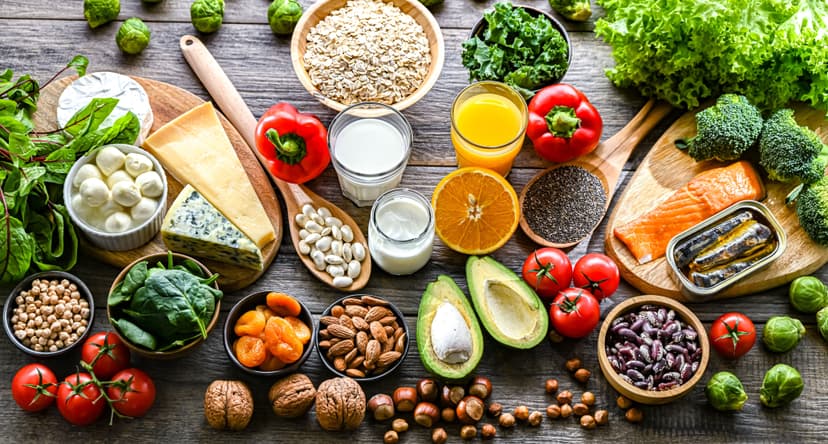
The Science-Based Truth About a Liver Cleanse
If you're experiencing unexplained fatigue, persistent bloating, or that general "blah" feeling despite eating well—and you're wondering if a liver cleanse could be the reset your body needs? The Global Detox Products Market certainly wants you to think so, with promises of renewed energy and rapid toxin elimination.
Dr. Josh Axe | July 18, 2025
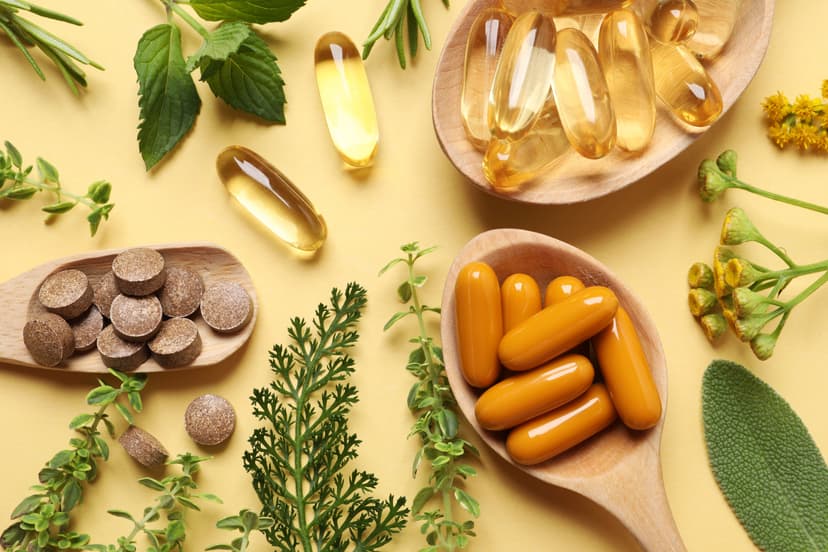
Essential Vitamins to Balance Hormones for Women
You're taking vitamins for hormone balance, but you're still struggling with mood swings, irregular periods, and exhausting fatigue. If this sounds familiar, you're not alone—statistics show that
Dr. Josh Axe | July 09, 2025

Find the Perfect Plan
We offer two types of plans: the All-Access Pass which gives you unlimited access to everything inside of the platform, or Single Course purchases which give you lifetime access to the individual courses that you sign up for.
The All Access Pass: this subscription is designed for those who are looking for extra hands on support, a wide variety of easily accessible courses to address various health concerns, and community support. You may cancel at any time.
Single Program: this one time purchase is perfect for those who have one single issue that they're looking to address. You'll gain access to everything within that course including fillable workbooks and quizzes. However, you will not have access to weekly live webinars, webinar library or our community forum access.
Monthly Subscription
All-Access Pass