
The 8 Best Liver Detox Drinks Backed by Science
Published On: July 05, 2025, by Dr. Josh Axe
You've tried liver detox drinks before, but instead of feeling energized and cleansed, you felt worse, or noticed no difference at all. If this sounds familiar, you're not alone, and more importantly, it's not your fault.
The truth is, most liver detox drink advice ignores a critical piece of the puzzle that determines whether these drinks actually work for your body. While medical experts estimate your liver performs over 500 functions daily and desperately needs support in our toxin-heavy world, random cleansing drinks often fail because they don't address the gut-liver connection that controls how effectively your body can detoxify.
Let’s dive into some evidence-based functional medicine approaches that go far beyond simple drink recipes. Unlike generic detox advice that treats symptoms, this systematic approach addresses why your previous attempts may have failed and how to support both phases of liver detoxification for lasting results.
You'll discover which liver detox drinks actually have scientific backing, how to prepare your body for effective detoxification, and most importantly, the missing gut-liver connection that explains why some people see dramatic results while others experience nothing—or feel worse.
Why Your Liver Needs Strategic Support (Not Random Cleanses)
Your liver is resilient, but modern life presents unprecedented challenges. Every day, your liver processes environmental toxins from air pollution, chemicals in personal care products, pesticide residues in food, and metabolic waste from normal cellular function.
The problem isn't that your liver can't handle toxins—it's designed for this very job. The issue is the volume and variety of toxins. NHANES biomonitoring studies have monitored over 400 different chemicals in human samples since 1999. When your liver's detoxification pathways become overwhelmed, you start experiencing symptoms that seem unrelated to liver function: persistent fatigue, unexplained bloating, brain fog, and that general "blah" feeling despite eating well.
This is where most liver detox drinks fail. They take a random approach—throwing ingredients at your liver without understanding whether your detoxification pathways are prepared to handle them. It's like trying to push more water through a clogged pipe instead of first clearing the blockage.
The strategic approach focuses on supporting your liver's natural two-phase detoxification process while addressing the factors that determine whether these phases work efficiently.
The Science Behind Liver Detoxification
Your liver transforms toxins through two sophisticated phases that must work in harmony for effective detoxification. Understanding this process explains why many liver detox drinks fail—and why some can make you feel worse temporarily.
Phase 1: Breaking Down Toxins
Phase 1 detoxification uses enzymes called cytochrome P450 to break down toxins into intermediate compounds. This process actually makes some toxins more reactive and potentially harmful temporarily, much like partially dismantling a complex machine, where the individual pieces can be more dangerous than the whole.
Phase 2: Neutralizing and Eliminating
Phase 2 detoxification neutralizes the reactive compounds from Phase 1 by binding them to molecules that make them water-soluble, allowing for elimination through urine or bile. This process, known as conjugation, involves amino acids such as glycine and glutathione.
The critical insight: Supporting only Phase 1 without Phase 2 can increase the toxic burden temporarily, causing headaches, fatigue, and irritability. Both phases must be supported simultaneously for safe, effective detoxification.
Recent research has demonstrated that even targeted nutritional support can significantly enhance detoxification enzyme activity and glutathione production, provided that both phases receive appropriate support.
The Hidden Gut-Liver Connection (The Missing Piece)
Here's what most practitioners miss: Your liver receives 75% of its blood supply directly from your intestines, meaning every toxin and bacterial byproduct from your gut travels directly to your liver. This gut-liver axis determines whether your detoxification efforts succeed or fail.
Your gut microbiome contains a specialized subset called the estrobolome—bacteria that produce enzymes determining whether hormones and toxins get properly eliminated or reactivated and recirculated. When these bacteria are imbalanced, they can't properly process the compounds your liver sends for elimination.
Certain gut bacteria, particularly Clostridia species, produce an enzyme called beta-glucuronidase. This "un-packages" compounds your liver has already processed for elimination. This creates a vicious cycle where toxins that should leave your body get recycled back into circulation.
Supporting your gut health isn't optional for effective liver detoxification—it's foundational. This integrated approach explains why our systematic protocol begins with gut preparation before introducing liver-specific support drinks.
The 8 Most Effective Liver Detox Drinks
Rather than providing a random list, we've ranked these based on their mechanisms of action, scientific backing, and effectiveness within this approach.
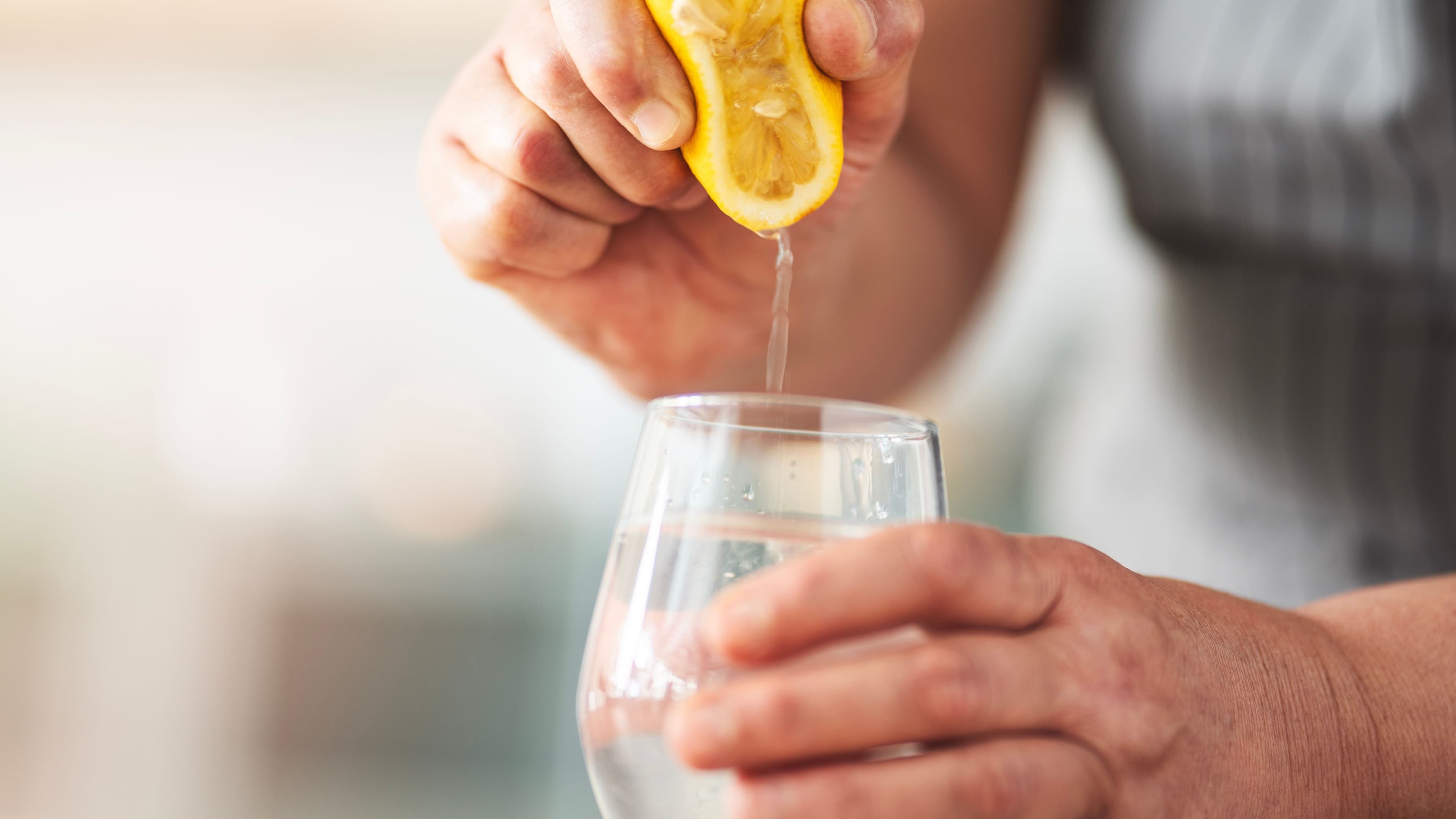
1. Lemon Ginger Detox Water (Glutathione Production Support)
Why it ranks #1: Provides building blocks for glutathione—your liver's master antioxidant—while supporting Phase 2 detoxification pathways.
Preparation: Add the juice of half a fresh lemon and 1-inch piece of grated ginger to 16 ounces of filtered water. Drink first thing in the morning on an empty stomach.
2. Green Tea with Turmeric (Antioxidant Powerhouse)
Why it's essential: Provides Epigallocatechin Gallate (EGCG) from green tea alongside curcumin from turmeric, creating synergistic antioxidant effects that protect liver cells during detoxification.
Preparation: Steep high-quality green tea for 3-4 minutes, add 1/4 teaspoon turmeric powder and a pinch of black pepper. Best consumed between meals.
3. Beetroot Liver Flush (Nitric Oxide and Bile Flow)
Why it's powerful: It contains betaine, which supports methylation pathways crucial for Phase 2 detoxification, plus nitrates that improve blood flow to the liver.
Preparation: Juice 1 medium beetroot with one apple and 1-inch ginger root. Start with smaller amounts (4 oz) if sensitive to beetroot's natural detox effects.
4. Dandelion Root Tea (Traditional Bile Flow Support)
Why traditional medicine valued this: Studies suggest dandelion may have choleretic properties.
Preparation: Steep one tablespoon dried dandelion root in 8 ounces of hot water for 10-15 minutes. Best consumed 30 minutes before meals.
5. Milk Thistle Liver Tonic (Cellular Protection)
Why it's the liver protective champion: Contains silymarin, which stabilizes liver cell membranes and supports glutathione production.
Preparation: Use standardized extract (80% silymarin) - 200mg in warm water with lemon and honey.
6. Apple Cider Vinegar Liver Cleanser (pH Balance)
Why pH matters: Helps maintain optimal pH balance in the digestive tract, supporting both gut health and liver function.
Preparation: Mix 1-2 tablespoons raw, unfiltered apple cider vinegar in 8 ounces of water with one teaspoon of honey. Always dilute to prevent enamel erosion.
7. Cucumber Mint Liver Water (Hydration Base)
Why hydration is detoxification: Provides essential fluid for toxin elimination, while cucumber supplies silica and potassium for kidney support.
Preparation: Slice one cucumber and add a handful of fresh mint to 32 ounces of water. Infuse overnight, drink throughout the day.
8. Comprehensive Liver Support Blend
Liver support combination: Combines multiple mechanisms in a single drink for maximum effectiveness.
Ingredients: Equal parts dandelion root tea (cooled), fresh lemon juice, grated ginger, 1/4 teaspoon turmeric, and one tablespoon apple cider vinegar in 16 ounces of water.
Timing: Best consumed mid-morning when liver detoxification activity follows natural circadian rhythms.
The 3-Phase Liver Support Protocol
Following this 3-phase liver support protocol ensures your body is prepared for each phase of support, maximizing effectiveness while minimizing adverse reactions.
Phase 1: Gut Preparation (Days 1-7)
Purpose: Optimize gut health and basic elimination before introducing liver-specific support.
Protocol:
- Morning: Lemon ginger detox water (30 minutes before eating)
- Throughout the day: Cucumber mint liver water (32 oz)
- Between meals: Green tea with turmeric
- Evening: Dandelion root tea (1 hour before bed)
Gut support: Include fermented foods with meals and ensure daily bowel movements.
Signs you're ready for Phase 2: Regular daily bowel movements, reduced bloating, stable energy, and tolerance of Phase 1 drinks without digestive upset.
Phase 2: Active Liver Support (Days 8-21)
Purpose: Introduce targeted liver support while maintaining gut health foundation.
Enhanced protocol:
- Continue: All Phase 1 drinks as foundation
- Add: Beetroot liver flush (every other day, in the morning)
- Add: Milk thistle liver tonic (daily with your largest meal)
What to expect: Days 8-10 may bring mild fatigue or headaches as detoxification increases. This should resolve by day 12-14. Improved energy and clearer thinking typically emerge by week 3.
Phase 3: Maintenance (Day 22+)
Purpose: Establish sustainable liver support practices.
Maintenance protocol:
- Daily: Lemon ginger detox water and cucumber mint liver water
- 3x weekly: Green tea with turmeric
- 2x weekly: Choice of beetroot flush OR comprehensive blend
- Weekly: Dandelion root tea
Personalizing Your Liver Detox Approach
Your optimal protocol depends on factors that most generic advice overlooks.
Identifying Your Metabolizer Type
CYP450 enzyme genetic variations create distinct metabolizer phenotypes that affect how your body processes compounds:
Fast metabolizer indicators:
- Caffeine has a minimal effect or wears off quickly
- High tolerance for spicy foods
- History of needing higher supplement doses
Protocol for fast metabolizers: Can handle full-strength drinks from the beginning and may progress through phases more quickly.
Slow metabolizer indicators:
- Coffee keeps you awake if consumed after 2 PM
- Sensitive to medications or supplements
- Prone to digestive upset with new foods
Protocol for slow metabolizers: Start with half-strength versions, introduce one new drink every 3-4 days, and extend each phase by 30-50%.
High Toxic Load Modifications
High toxic burden indicators:
- Chronic fatigue despite rest
- Chemical sensitivities
- Multiple food sensitivities
- Occupational chemical exposure
Modified approach: Extend Phase 1 to 10-14 days, add liver protection from day 1, and introduce stronger drinks more gradually.
Safety Guidelines and What to Expect
Normal vs. Concerning Responses
- Expected during Phase 1: Mild changes in bowel movements, slight increase in urination, gradual energy stabilization.
- Expected during Phase 2: Temporary fatigue on days 8-10, mild skin changes, vivid dreams.
- Concerning symptoms requiring modification: Severe headaches lasting over 24 hours, persistent nausea, extreme fatigue, and dramatic mood changes.
Contraindications
- Avoid if you have: Active gallbladder disease, kidney stones, eating disorders, pregnancy/breastfeeding.
- Requires medical supervision: Diabetes, blood pressure medications, active liver disease, and current medications.
Beyond Drinks: Supporting Your Liver Long-Term
Environmental Toxin Reduction
Immediate impact changes:
- Replace plastic food storage with glass
- Filter drinking water
- Choose organic "Dirty Dozen" produce
- Switch to fragrance-free cleaning products
Sleep Optimization
Your liver's function follows circadian rhythms, support detoxification with consistent sleep times and a cool, dark environment.
Stress Management
Animal studies suggest that chronic stress can significantly deplete glutathione levels. Include daily stress management practices like coherent breathing and nature exposure.
Your Liver Detox Success Starts Here
Your journey through this evidence-based approach has equipped you with far more than simple recipes—you now understand the systematic, science-backed methodology that explains why some people achieve remarkable results while others see little improvement.
Unlike generic detox advice that ignores individual differences and the crucial gut-liver connection, the 3-phase approach addresses the root factors that determine whether liver detoxification actually works for your unique body.
Your next step is simple: Begin tomorrow morning with a foundational lemon ginger detox water, following the Phase 1 protocol for your first week. Pay attention to your body's responses and trust the systematic process that has helped thousands achieve sustainable liver health improvements.
Remember that sustainable liver health is a journey, not a destination. By implementing these evidence-based liver detox drinks within our comprehensive framework, you're establishing a foundation for lifelong vitality and resilience.
References
- Centers for Disease Control and Prevention. (2019). Fourth national report on human exposure to environmental chemicals, updated tables. U.S. Department of Health and Human Services. https://www.cdc.gov/biomonitoring/resources/national-exposure-report.html
- Hodges, R. E., & Minich, D. M. (2015). Modulation of metabolic detoxification pathways using foods and food-derived components: A scientific review with clinical application. Journal of Nutrition and Metabolism, 2015, 760689. https://doi.org/10.1155/2015/760689
- Kalra, A., Yetiskul, E., Wehrle, C. J., & Tuma, F. (2023). Physiology, liver. In StatPearls. StatPearls Publishing. https://www.ncbi.nlm.nih.gov/books/NBK535438/
- Madrigal, J. L., Olivenza, R., Moro, M. A., Lizasoain, I., Lorenzo, P., Rodrigo, J., & Leza, J. C. (2001). Glutathione depletion, lipid peroxidation and mitochondrial dysfunction are induced by chronic stress in rat brain. Neuropsychopharmacology, 24(4), 420-429. https://doi.org/10.1016/S0893-133X(00)00208-6
- Panda, S., Taheri, S., Norfolk, A., Bottoms, L., & Bulsara, M. K. (2023). Guided metabolic detoxification program supports phase II detoxification enzymes and antioxidant balance in healthy participants. American Journal of Lifestyle Medicine, 17(4), 508-522. https://doi.org/10.1177/15598276231181680
- Patil, P., Mandal, S., Tomar, S. K., & Anand, S. (2018). Food protein-derived bioactive peptides in management of type 2 diabetes. European Journal of Nutrition, 57(3), 863-880. https://doi.org/10.1007/s00394-017-1549-y
- Ramírez-Garza, S. L., Laveriano-Santos, E. P., Marhuenda-Muñoz, M., Storniolo, C. E., Tresserra-Rimbau, A., Vallverdú-Queralt, A., & Lamuela-Raventós, R. M. (2018). Health effects of resveratrol: Results from human intervention trials. Nutrients, 10(12), 1892. https://doi.org/10.3390/nu10121892
- Sakaguchi, M., & Murata, H. (1983). Studies on the beta-glucuronidase production of clostridia. Zentralblatt für Bakteriologie, Mikrobiologie und Hygiene, 256(3), 300-308. https://doi.org/10.1016/s0174-3031(83)80077-2
- Suganuma, M., Saha, A., & Fujiki, H. (2011). New cancer treatment strategy using combination of green tea catechins and anticancer drugs. Cancer Science, 102(2), 317-323. https://doi.org/10.1111/j.1349-7006.2010.01805.x
- Tripathi, S., Maier, K. G., Bruch, D., & Kittur, D. S. (2007). Effect of 6-gingerol on pro-inflammatory cytokine production and costimulatory molecule expression in murine peritoneal macrophages. Journal of Surgical Research, 138(2), 209-213. https://doi.org/10.1016/j.jss.2006.08.037
- U.S. National Library of Medicine. (2023). CYP2D6 overview: Allele and phenotype frequencies. In Medical genetics summaries. National Center for Biotechnology Information. https://www.ncbi.nlm.nih.gov/books/NBK574601/
- Vreman, R. A., Goodell, A. J., Rodriguez, L. A., Porco, T. C., Lustig, R. H., & Kahn, J. G. (2021). Health and economic benefits of reducing sugar intake in the USA, including effects via non-alcoholic fatty liver disease: A microsimulation model. BMJ Open, 11(1), e013793. https://doi.org/10.1136/bmjopen-2017-013793
- Walle, T. (2011). Regulation of phase II biotransformation enzymes by steroid hormones. Drug Metabolism Reviews, 43(2), 152-164. https://doi.org/10.3109/03602532.2011.552911
- Xu, P., Wang, J., Hong, F., Wang, S., Jin, X., Xue, T., Jia, L., Zhai, Y., & Liu, X. (2017). Melatonin prevents obesity through modulation of gut microbiota in mice. Journal of Pineal Research, 62(4), e12399. https://doi.org/10.1111/jpi.12399
- Zheng, X., Hur, J., Nguyen, L. H., Liu, J., Song, M., Wu, K., Smith-Warner, S. A., Ogino, S., Willett, W. C., Rimm, E. B., Giovannucci, E. L., & Chan, A. T. (2020). The circadian clock and liver function in health and disease. Nature Reviews Gastroenterology & Hepatology, 17(11), 649-661. https://doi.org/10.1038/s41575-020-0304-x
- Taylor & Francis Online. (2020). Betaine restores epigenetic control and supports neuronal mitochondria in the cuprizone mouse model of multiple sclerosis. https://www.tandfonline.com/doi/full/10.1080/15592294.2020.1735075#abstract
- ScienceDirect. (2023). A review on nitrates’ health benefits and disease prevention. https://www.sciencedirect.com/science/article/abs/pii/S1089860323001015
- PubMed Central (PMC). (2010). Hypolipidemic and Antioxidant Effects of Dandelion (Taraxacum officinale) Root and Leaf on Cholesterol-Fed Rabbits. https://pmc.ncbi.nlm.nih.gov/articles/PMC2820990/
- PubMed Central (PMC). (2015). Modulation of Metabolic Detoxification Pathways Using Foods and Food-Derived Components: A Scientific Review with Clinical Application. https://pmc.ncbi.nlm.nih.gov/articles/PMC4488002/
- PubMed Central (PMC). (2012). Enhanced Phase II Detoxification Contributes to Beneficial Effects of Dietary Restriction as Revealed by Multi-platform Metabolomics Studies. https://pmc.ncbi.nlm.nih.gov/articles/PMC3591652/
- Johns Hopkins Medicine. (n.d.). Liver anatomy and functions. https://www.hopkinsmedicine.org/health/conditions-and-diseases/liver-anatomy-and-functions
- Nature. (2024). Evidence for widespread human exposure to food contact chemicals. https://www.nature.com/articles/s41370-024-00718-2
READ NEXT

Normal Insulin Levels: Understanding Your Metabolic Health
Your recent blood work shows "normal insulin levels," but you're still struggling with afternoon energy crashes, stubborn weight gain around your midsection, and constant sugar cravings. If this sounds familiar, you're not imagining the disconnect—and you're definitely not alone in feeling confused about what these numbers actually mean for your health.
Dr. Josh Axe | August 08, 2025
The Science-Based Truth About a Liver Cleanse
If you're experiencing unexplained fatigue, persistent bloating, or that general "blah" feeling despite eating well—and you're wondering if a liver cleanse could be the reset your body needs? The Global Detox Products Market certainly wants you to think so, with promises of renewed energy and rapid toxin elimination.
Dr. Josh Axe | July 18, 2025

Perimenopause Weight Gain: The Root Cause Approach
You've been eating the same foods and exercising consistently for years. But suddenly, your body seems to have completely different rules—and those extra 10-15 pounds around your midsection appeared almost overnight, despite your best efforts.
Dr. Josh Axe | July 09, 2025

Find the Perfect Plan
We offer two types of plans: the All-Access Pass which gives you unlimited access to everything inside of the platform, or Single Course purchases which give you lifetime access to the individual courses that you sign up for.
The All Access Pass: this subscription is designed for those who are looking for extra hands on support, a wide variety of easily accessible courses to address various health concerns, and community support. You may cancel at any time.
Single Program: this one time purchase is perfect for those who have one single issue that they're looking to address. You'll gain access to everything within that course including fillable workbooks and quizzes. However, you will not have access to weekly live webinars, webinar library or our community forum access.
Monthly Subscription
All-Access Pass